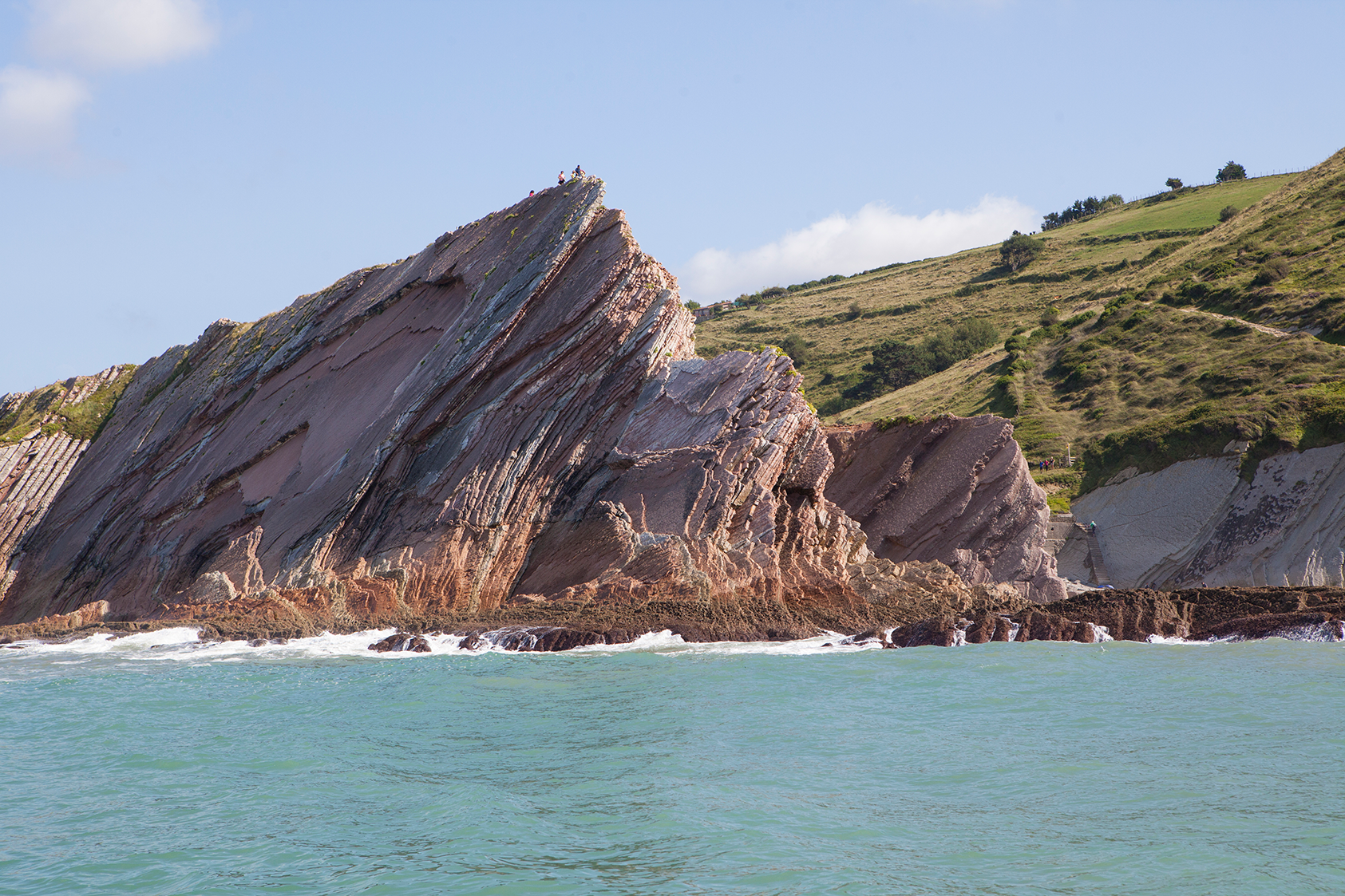
The Geopark's coastline features an almost continuous, fairly monotonous, rectilinear cliff. It is not a particularly spectacular or striking stretch of coast, although it is one of the best-preserved coastal sections in the Basque Country. The interest of the Geopark and its flysch is not so much visual or scenic as interpretive, hence the importance of guided tours in this area, as they are the ones that open the visitor's eyes. What is unusual and what makes this stretch of coast special is the existence of a continuous record of sedimentary rocks spanning that 60-million-year period during the transition from the Mesozoic to the Cenozoic.
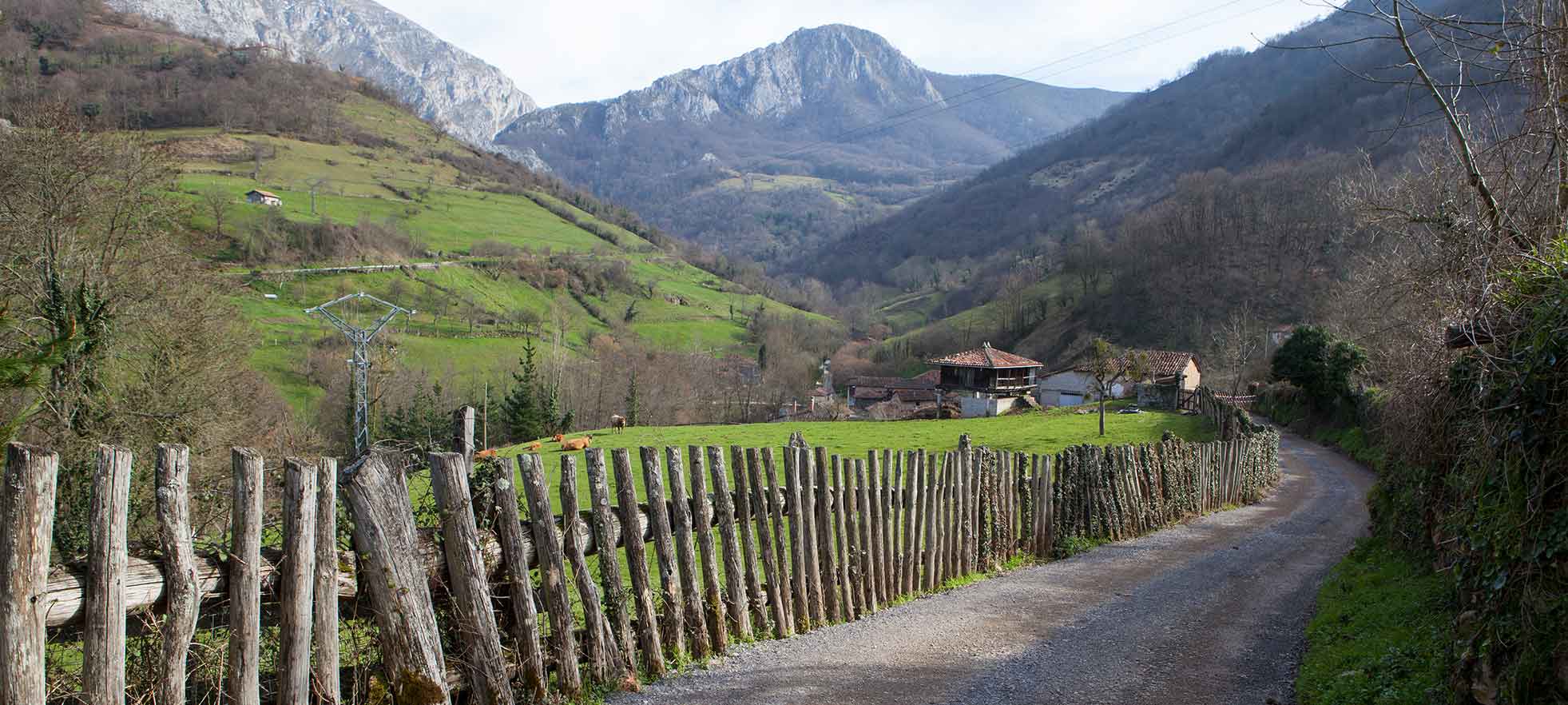
Further inland, the karst valley of Olatz, with its landscape of sinkholes and countryside dotted with farmhouses, offers a different view of the Geopark. Also worth a visit is the Virgen de Itziar viewpoint, on the road between Zumaia and Deba, which offers sweeping views of the coast. In Mutriku, a town with a historic whaling past, the Nautilus Museum provides an insight into the marine geology of the area through a valuable collection of fossils. Also in Mutriku is the Mutriku olatu Plant, a world leader in sustainability, where clean energy is generated from waves. The Deba estuary can be explored on foot along the riverside path that runs along the beginning of the estuary. It is also the starting point of the Prehistory Route, a novel Geopark initiative that links geological evolution with human occupation. Throughout the tour, changes in the landscape over the last 10.000 years are interpreted, highlighting the connection between the sedimentary record, prehistoric settlements, and the inhabited caves in the area.