Santoña, Victoria and Joyel Marshes Natural Park

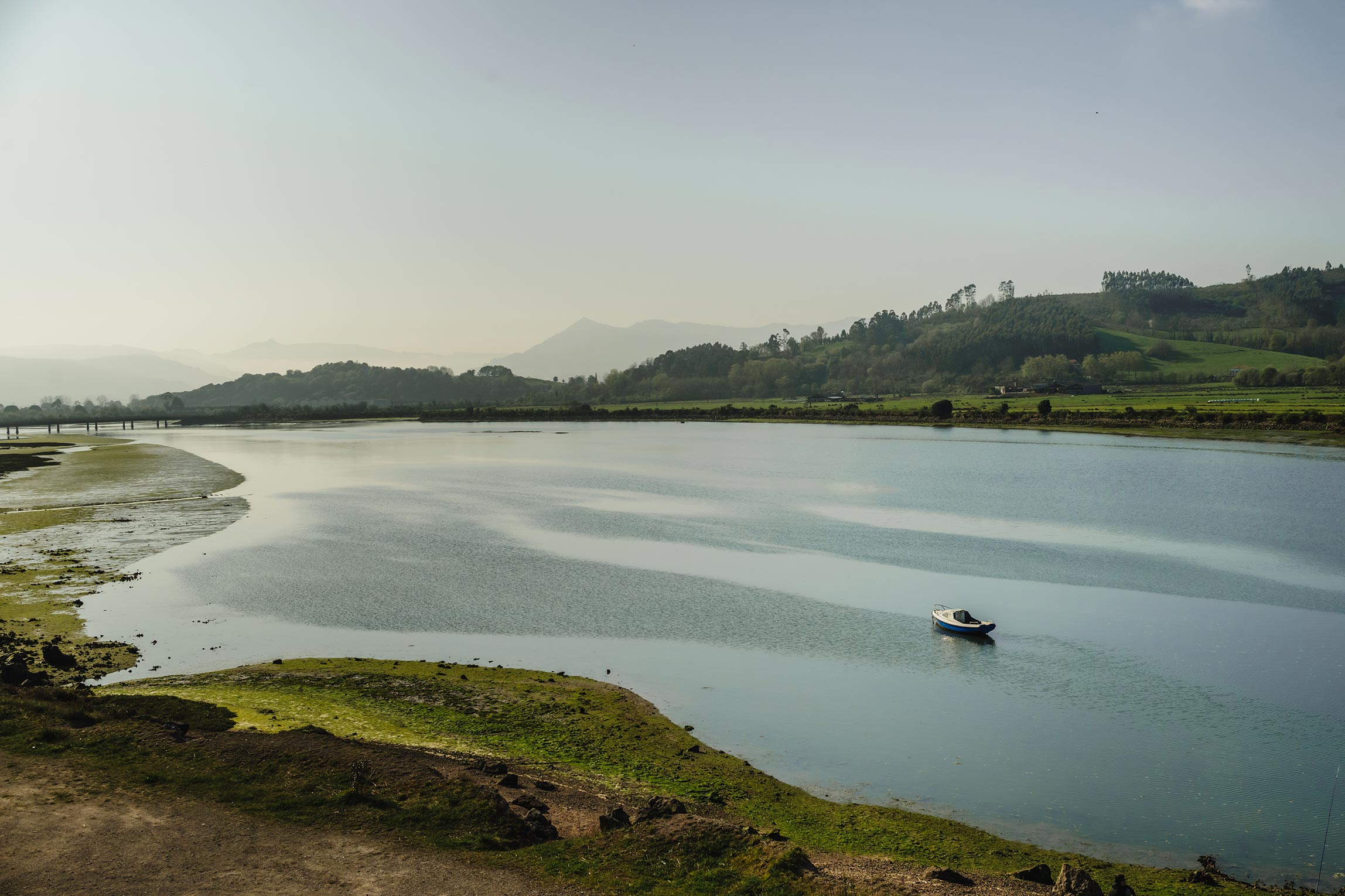
On the eastern coast of Cantabria, the Marismas de Santoña, Victoria y Joyel Natural Park is one of the most important wetlands in northern Spain. This protected area combines marshes, beaches, holm oak forests, and spectacular cliffs, and is notable for its key role in the migratory routes of aquatic and marine birds along the Cantabrian Sea.

Description

This natural park covers more than 6.000 hectares of marshes, estuaries, coastal holm oak forests, and intertidal zones, distributed between the mouth of the Asón River and the Victoria and Joyel estuaries, near Noja. Its biodiversity and state of conservation make it one of the most valuable coastal wetlands in the northern Iberian Peninsula.

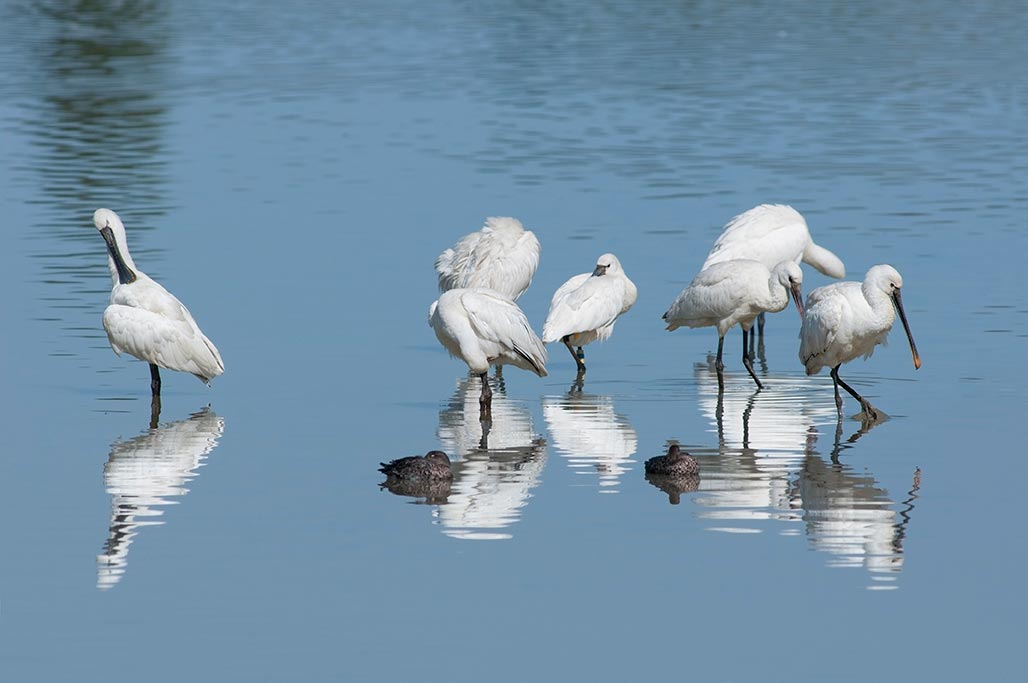
It is especially recognized as a wintering and migratory area for aquatic and marine birds, where species such as the barnacle goose, loons, mergansers, alcids, and a wide variety of waders—sandpipers, plovers, curlews, and redshanks, among others—can be observed. The banks of the channels are also home to grey herons, little and great egrets, as well as a large number of gulls, among which it is not unusual to spot rarer species such as the great black-backed gull and the black-headed gull. The high biological productivity of its marshes also makes it a key breeding ground for fish and invertebrates.

Mount Buciero, with its Cantabrian holm oak forest and its iconic trail to the Caballo lighthouse, completes a landscape of great natural and scenic value. Interpreted trails, birdwatching, and kayaking activities offer multiple ways to enjoy this area throughout the year, especially between autumn and spring.

Santoña, Victoria and Joyel Marshes Natural Park

Information

El Santoña, Victoria and Joyel Marshes Natural Park It is especially recommended to visit between autumn and spring, although it is recommended all year round due to its appeal to birdwatchers.

During these months, the area welcomes thousands of migratory and wintering waterfowl, becoming one of the main refuges for migratory and wintering birds in the northern peninsula.

Winter, in particular, is a key time for observing northern species that are difficult to see elsewhere, such as the barnacle goose, loons, and alcids.

Furthermore, the mild oceanic climate allows you to comfortably enjoy walks, hikes, and observatories even in the colder months, without the crowds of summer and with a tranquil atmosphere very conducive to landscape and wildlife photography.
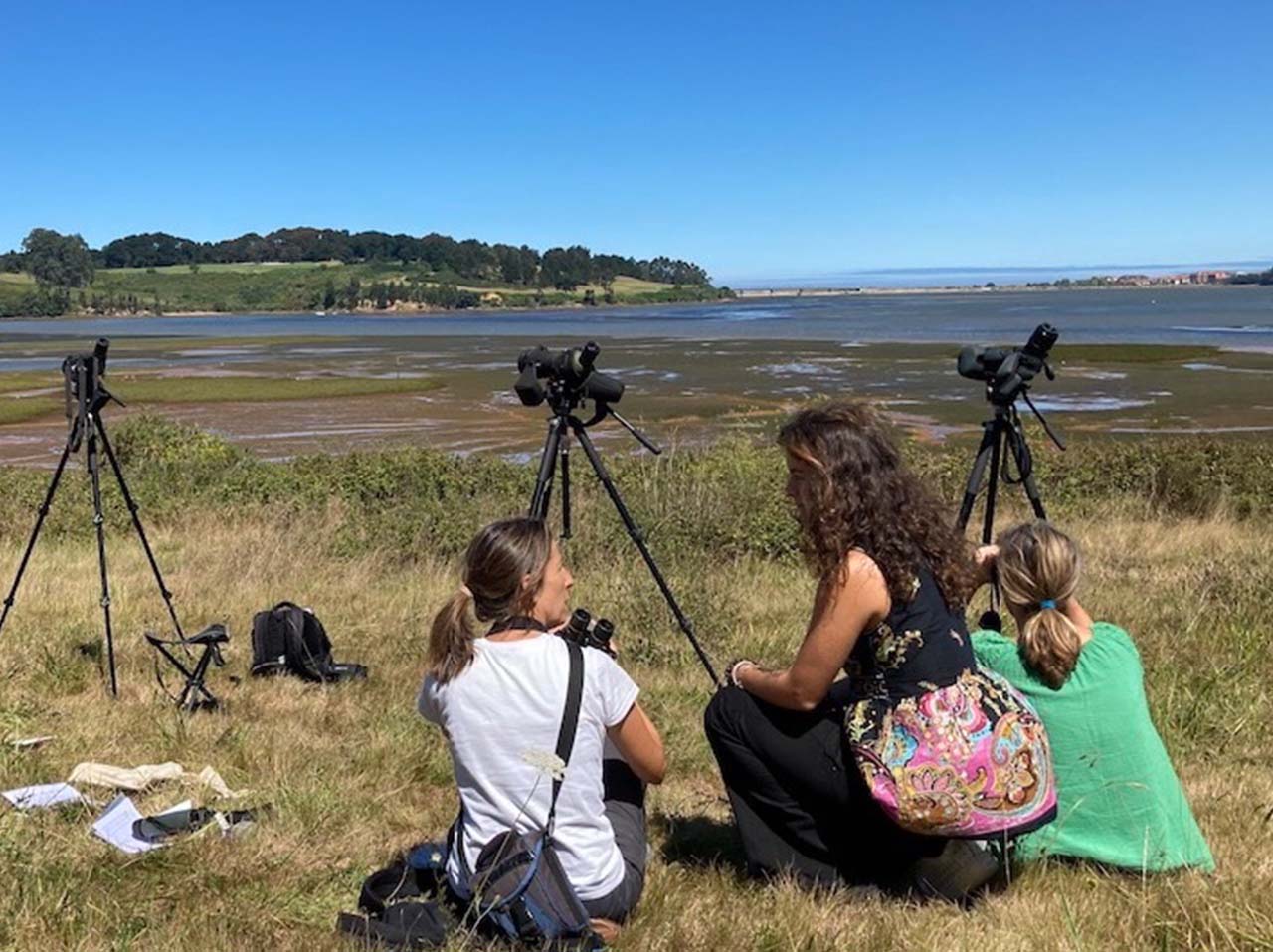
The Natural Park offers numerous opportunities to enjoy nature, with birdwatching especially important, both in winter and during the autumn and spring migration periods. There are specific guided tours, including boat trips, for spotting notable species such as the black-faced goose, sea ducks, loons, mergansers, and other northern birds. 

The area also boasts beaches of outstanding scenic beauty, such as those at Noja, which are recommended outside of peak season. For hiking enthusiasts, one of the most iconic routes runs from Mount Buciero to the Caballo lighthouse, crossing a magnificent Cantabrian holm oak forest before exiting directly onto the cliff. The views are spectacular, and the surroundings are rugged and wild. Local companies offer educational activities such as environmental interpretation, kayaking, and diving.

  • RAMSAR wetland
  • Belonging to the Natura 2000 Network: SPA and SAC of the Asón River

This Natural Park offers multiple spots for birdwatching and landscape interpretation. From the Colindres promenade, you can admire a vast intertidal zone that is very active at low tide. In Santoña, the birdwatching observatories located in the polders and the views of the Hano Channel from the old Montehano quarry stand out. One of the main attractions is Monte Buciero, with a complete circuit of routes and trails that allow you to explore this rugged, cliff-like natural enclave. One of the most spectacular trails leads to the Caballo lighthouse, which is accessed via a pedestrian path with more than 700 steps carved into the rock, descending to a unique balcony at the base of the imposing cliffs.

In Noja, the Victoria and Joyel marshes offer very accessible trails to enjoy the landscape and biodiversity. In the Victoria marsh, the Molino de las Aves (information and interpretation point) and Trengandín beach, undoubtedly one of the most photogenic on the Cantabrian coast, deserve special attention. In the Joyel marsh, the area surrounding the Arnuero tide mill offers excellent birdwatching opportunities. 

The entire complex constitutes a complete representation of the humid coastal ecosystems of the Cantabrian Sea.

THINGS TO DO

Surrounding Areas

These are the experiences that take place in the Marshes of Santoña, Victoria and Joyel Natural Park.

accommodations

Where will you stay?

Lorem ipsum pain sit amet, consectetur adipiscing elit, sed do eiusmod tempor incididunt ut labore et dolore magna aliqua. Ut enim ad minim veniam.

Cruceiro House

Lorem ipsum dolor sit amet, consectetur adipiscing elit, eiusmod tempor.

ECOTOURIST RESERVE

Cartographic Viewer

Explore the 25 protected natural areas that make up the Green Spain Ecotourism Reserve on the map. Locate each node, learn about its surroundings, and plan your ecotourism route visually and intuitively.

LATEST NEWS

News