Home / ZEC Salburua (Vitoria-Gasteiz)
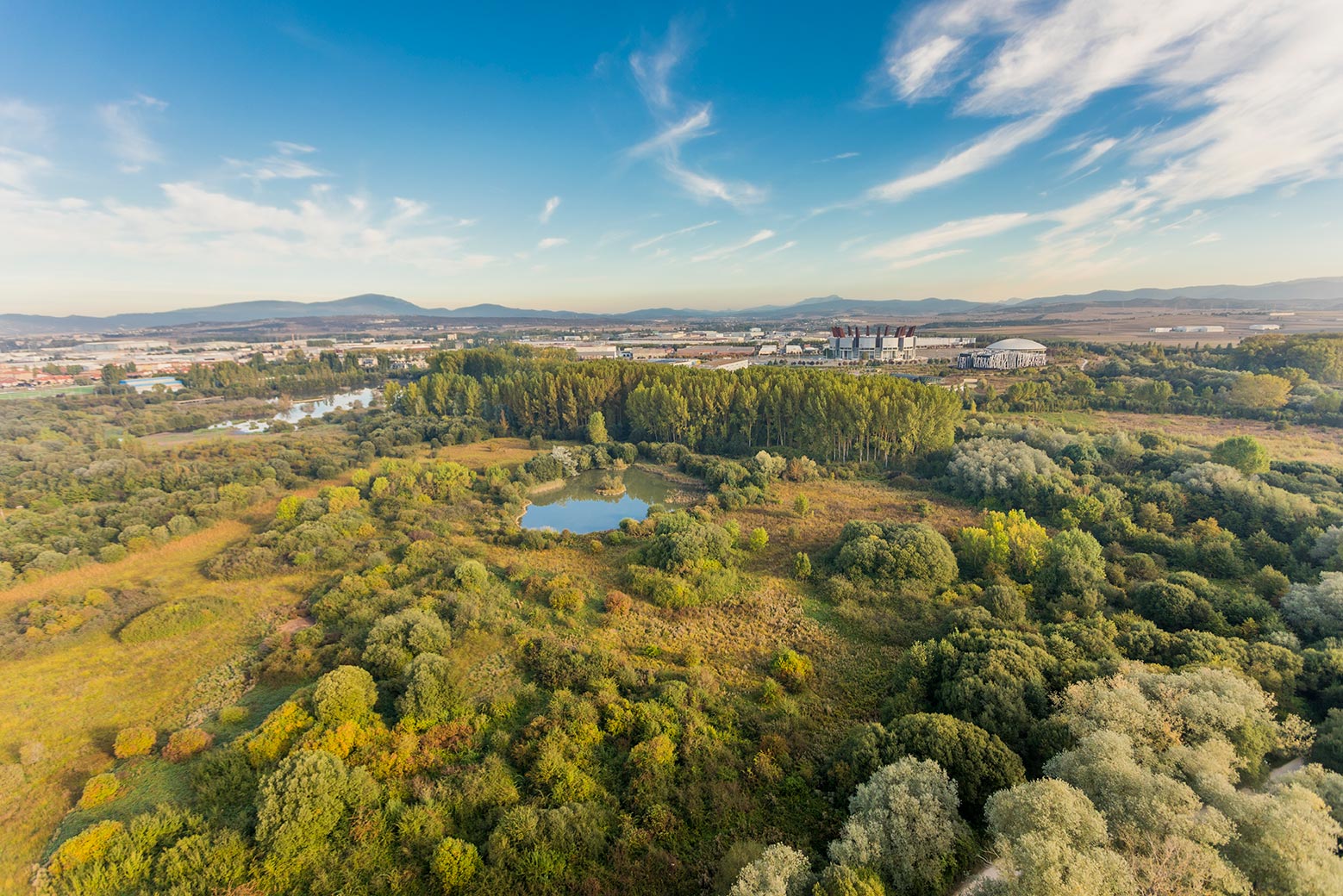
La ZEC Salburua It is a wetland of great natural and historical value, restored after decades of agricultural transformation. Thanks to an ambitious restoration process initiated in 1994, it is now a vibrant ecosystem, fed by underground aquifers and composed of lagoons, wet meadows, and a valuable lowland oak forest.
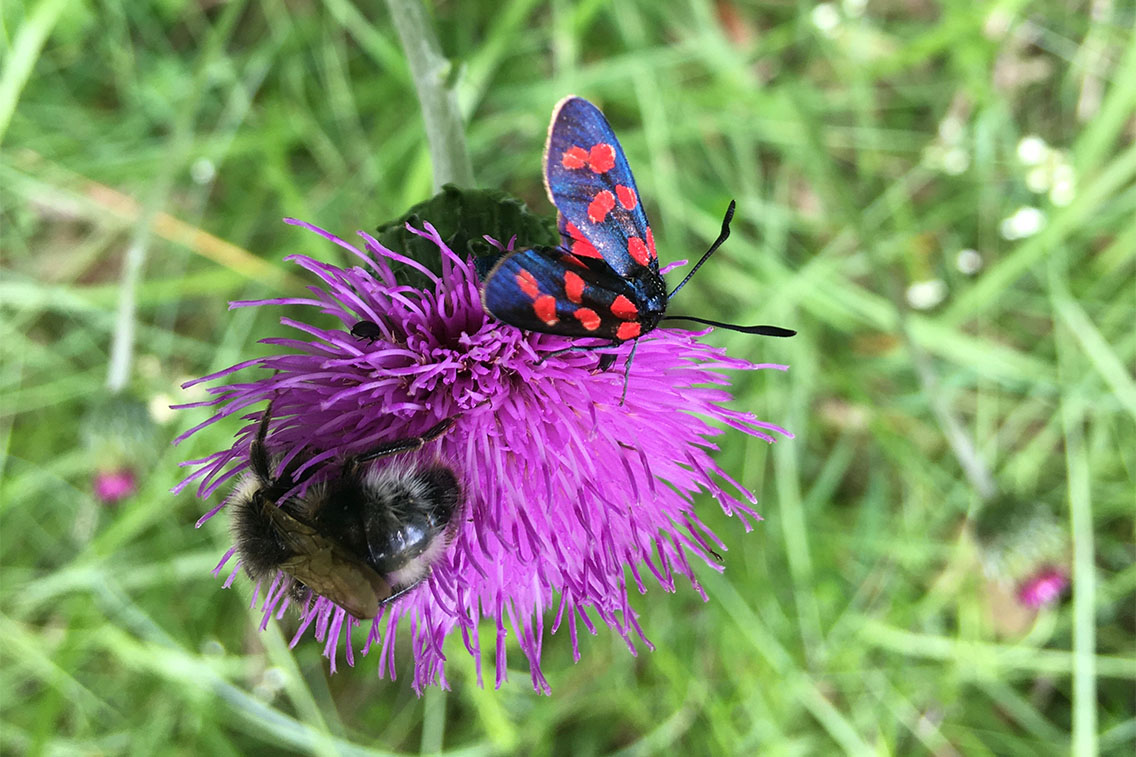
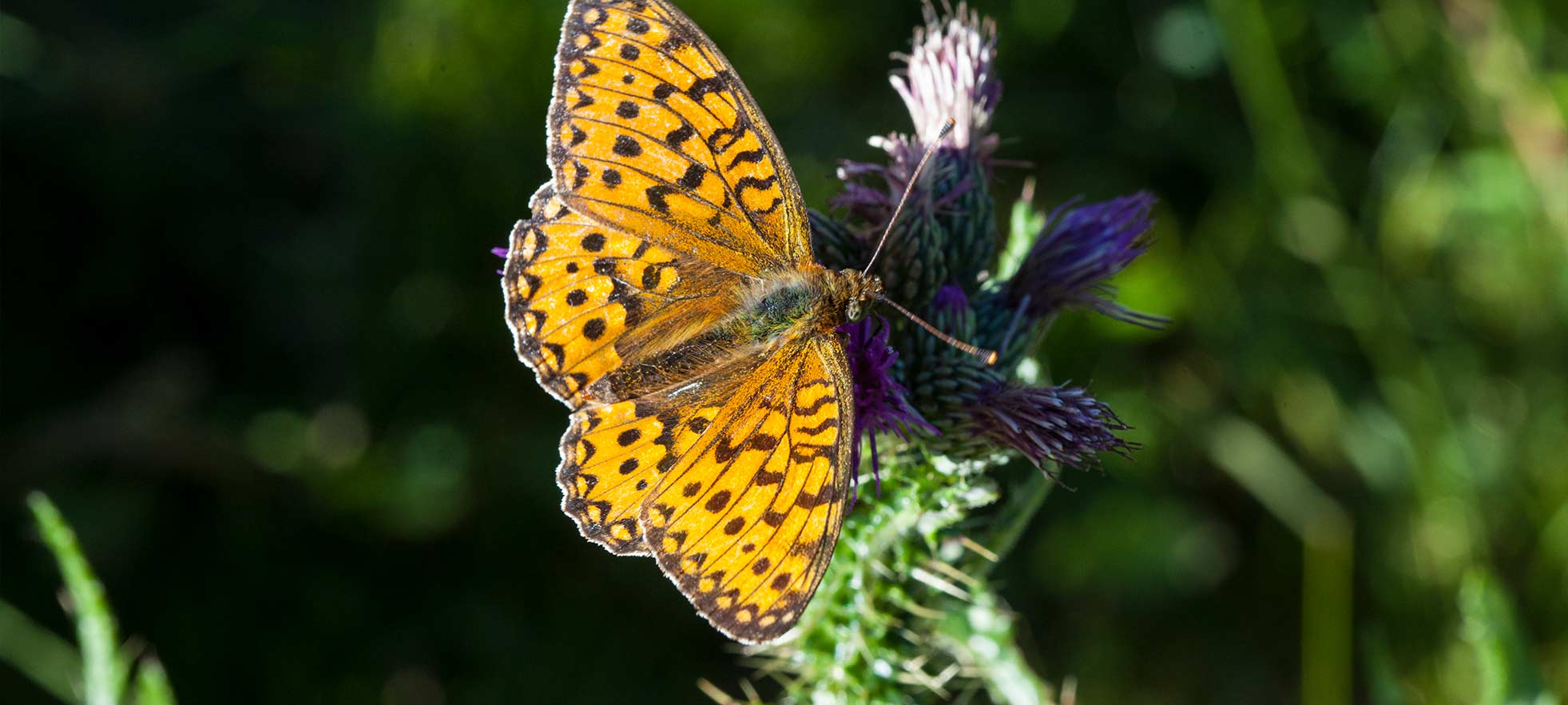
This protected area is home to remarkable biological diversity. It is a key area for migratory and breeding birds, with observatories specially designed for their observation. Among the mammals, the European mink stands out, a critically endangered mustelid and, currently, one of the most threatened species in Spain. Amphibians and reptiles are also abundant, and the aquatic flora is represented by unique formations such as the reed beds of the espadilla, the best preserved on the Peninsula.
Connected to the city, Salburua is ideal for environmental education, walking or cycling, or birdwatching, and its Ataria center acts as a gateway to this example of a peri-urban natural space so appreciated by Vitorians and visitors.
Salburua is a natural space that can be enjoyed year-round, as its value lies both in its ecological processes and in the seasonal presence of different species.
During spring and summer, the lagoons and riparian areas are at their most splendid, with abundant aquatic fauna, the singing of nesting birds, and a general surge of biological activity.
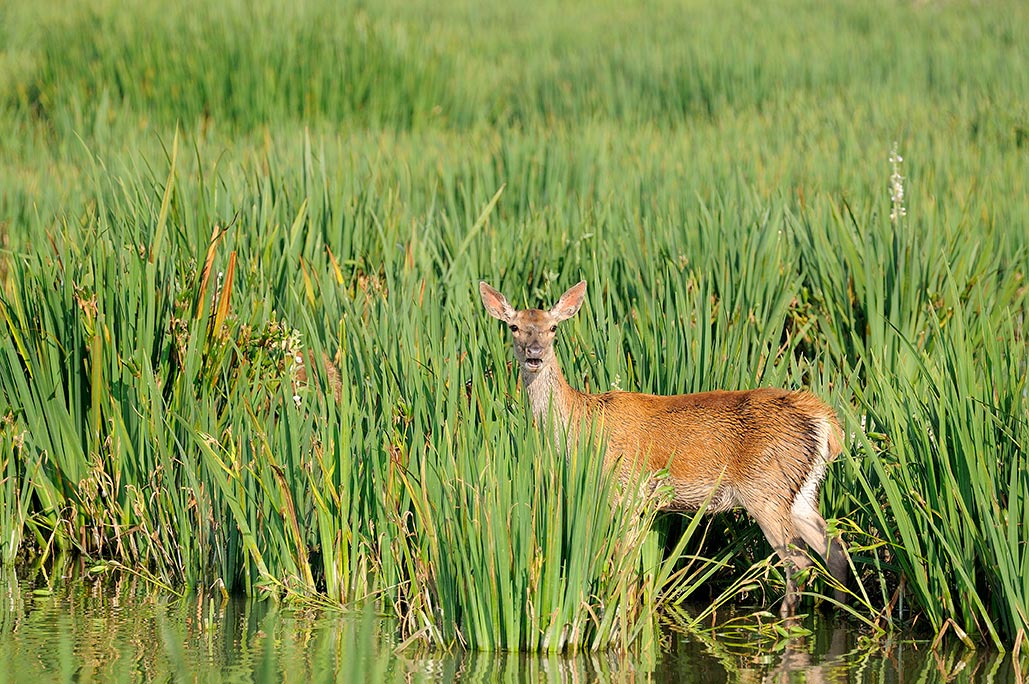
Autumn is a good time to observe migratory birds and the natural spectacle of the deer rut just outside the city, while winter makes Salburua a key refuge for many species of waterfowl from northern Europe. The network of footbridges and observatories, along with the Ataria interpretation center, make it easy to visit in any season, whether for a leisurely stroll or for several days dedicated to wildlife observation.
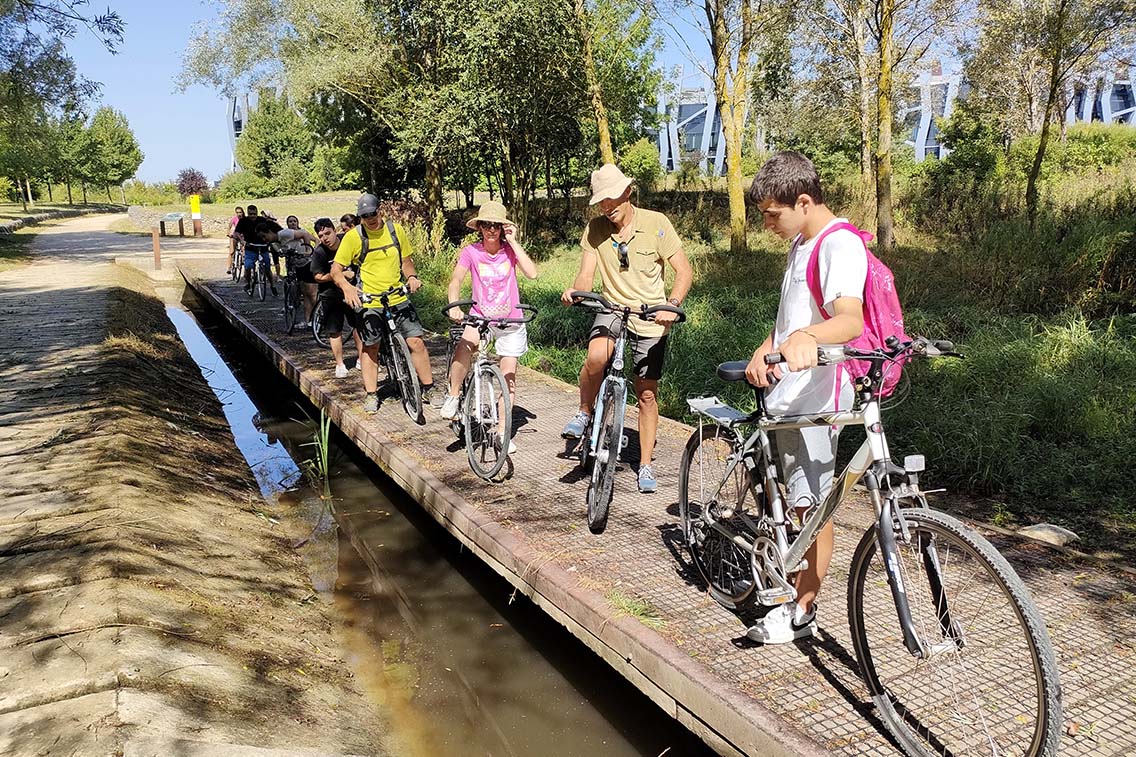
Salburua offers a privileged setting for birdwatching, with marked routes that run along the perimeter of the lagoons and a network of observatories and walkways that allow discreet access to the most active areas of the wetland. It is a highly accessible space well-suited to nature interpretation, with the Ataria Visitor Center serving as an ideal starting point for understanding the ecological value of the site before beginning the visit. The route also allows visitors to discover lowland oak forests, riparian woodlands, and rich aquatic vegetation. The lack of uneven ground makes cycling an ideal way to discover this area and its surroundings, with guided routes of enormous interest, such as the Basque-Navarrese Railway Greenway or the one that leads to the Urizar Auzoa Reservoir.
It's a highly recommended natural area year-round, as the fauna changes with the seasons, with migration and wintering periods being particularly interesting. It's also easy to combine with other nearby natural areas such as the Izki and Gorbeia Natural Parks or the Valderejo Special Protected Area (ZEC).
Local companies offer environmental interpretation activities for a wide range of audiences. The most unique aspect of visiting Salburua is the opportunity to take guided interpretation and wildlife observation tours on electric bikes. Both the activity and the bikes can be rented at Ataria.
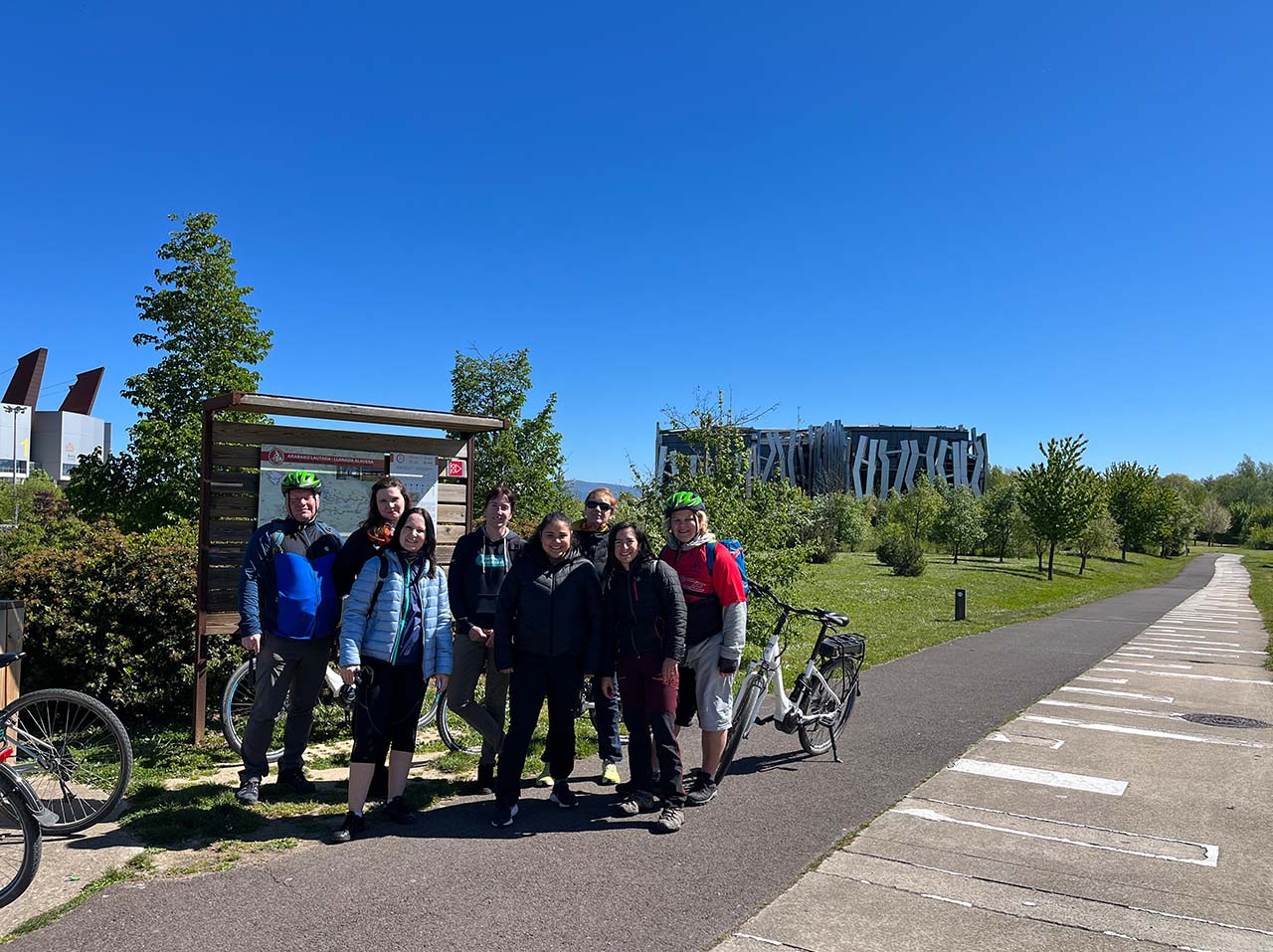
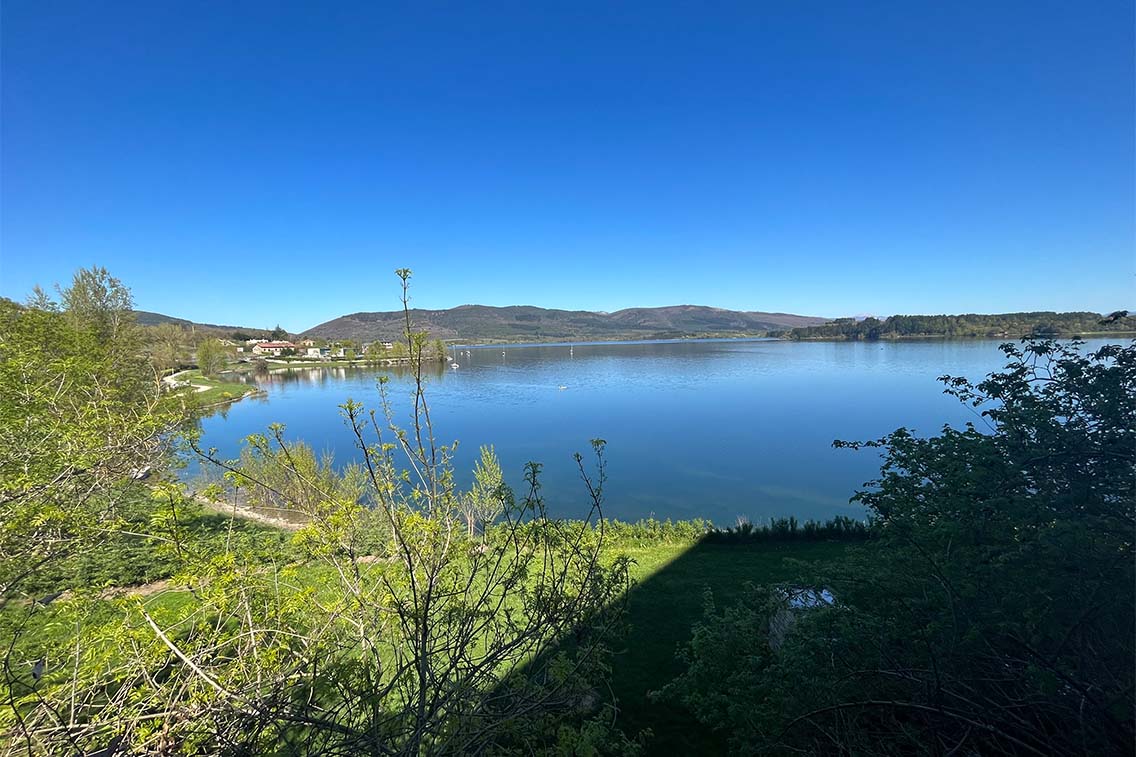
The Salburua Natural Area, in the urban area of Vitoria-Gasteiz, has become a prominent example of wetland environmental restoration and the first certified urban ecotourism destination in Spain. A tour of this enclave provides an insight into a restored lagoon system that hosts a surprising diversity of fauna and flora, especially aquatic birds and species linked to the wetland environment. The Ataria Interpretation Center, located next to the lagoons, is the ideal starting point for exploring its trails and walkways, and offers an overview of the ecological functioning of these wetlands. The Arcaute reservoir, for its part, is one of the most interesting birdwatching spots, with adapted facilities that allow for birdwatching without interfering with the wildlife. It is also a great place to enjoy the herd of approximately 100 deer that inhabit the park, introduced to control the vegetation surrounding the water surface through extensive grazing by these large herbivores. The environment combines areas of peri-lagunal vegetation, riparian forests, and one of the few remaining plain oak forests in the Llanada Alavesa, creating a valuable landscape both for its biodiversity and its proximity to the town center.
Lorem ipsum dolor sit amet, consectetur adipiscing elit, eiusmod tempor.

The Green Spain Ecotourism Reserve is an invitation to experience northern Spain in a different way. It's not a network of accommodations.