COMPUTER AND ELECTRONIC EQUIPMENT
• We use energy-efficient computer equipment configured in “energy-saving” mode (Energy Star).
• We turn off computer equipment for periods of inactivity exceeding 1 hour.
• We turn off computer equipment and electrical appliances (heaters, air conditioning, etc.) whenever their use is not necessary.
• The equipment consumes minimal energy even when turned off, so we also disconnect the power supply at the end of the day.
• We set the screensaver to "black screen" mode, as this saves energy. We recommend waiting 10 minutes for this mode to take effect.
LIGHTING
• We make the most of natural light by keeping the blinds open and painting the walls in light colors.
• We always turn off the lights in hallways and spaces that are not being used.
• We use highly efficient lighting fixtures
• We use independent switches to illuminate only the needed areas of the same area.
AIR CONDITIONING EQUIPMENT
• We use air conditioning only when necessary.
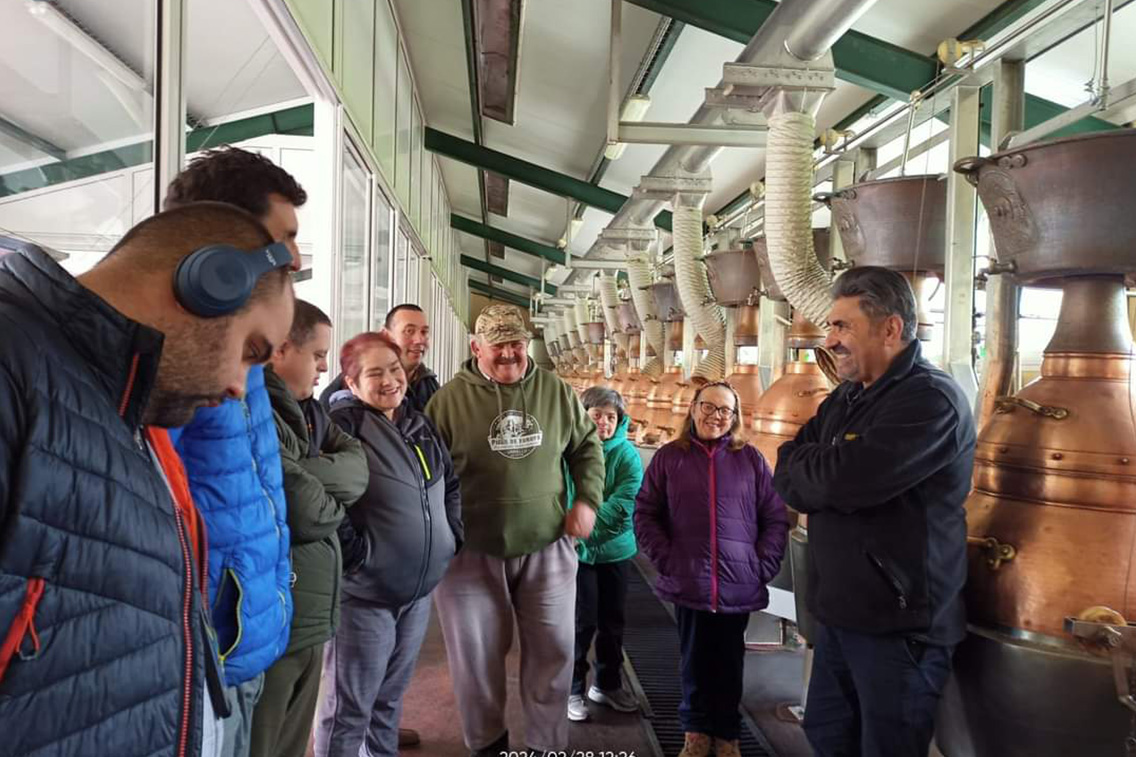
• The distillery is thermally insulated to ensure optimal use of the air conditioning systems.
• There are thermostats in central heating systems to control the temperature mechanically (20 degrees in winter and 23 degrees in summer).
MAINTENANCE
• We periodically clean the lighting systems so that dirt does not impede optimal performance.
• We keep the windows clean to make the most of natural light.
• Preventive maintenance is performed on equipment to ensure proper operation and minimal consumption of materials (ink, toner, paper, etc.)
WATER
Freshwater is a scarce resource and, at the same time, essential for human life. For this reason, we must preserve it and make good use of it. We contribute to the conservation of this resource by avoiding pouring pollutants down drains or into the ground and by using it rationally with the following measures:
• We quickly notify maintenance services to repair any leaks or malfunctions we detect. When a leak is detected, the water supply valve is turned off.
• We fix leaky faucets
• Do not let the water run unnecessarily when washing hands or work tools.
• The toilet is not a trash can: we're helping to prevent wastewater pollution, prevent river pollution, and reduce water consumption. Information signs are posted for visitors.
• Where hot and cold water are needed, the taps are single-lever (they can provide savings of up to 50%).
PAPER
• We store documents in digital format.
• We optimize the number of copies needed.
• We share information instead of generating copies for each person.
• We preferentially use recycled paper whenever possible.
• We do not print unnecessary documents; if necessary, we use the “preview” option to ensure that the document is correct.
• Whenever possible, we use double-sided paper for photocopying and printing.
• We use email and computer media for communications to reduce the use of printers and faxes.
WASTE MANAGEMENT
Distillery waste must be disposed of in a closed space designated for selective storage, maintaining appropriate hygiene and cleanliness conditions to avoid producing unpleasant odors.
A separation is made according to whether they are: Paper and cardboard / glass / containers / organic or hazardous waste (toner, ink cartridges, CDs, batteries, fluorescent light bulbs, old electrical and electronic devices).
Every two or three days, this waste will be taken to the nearest clean point.
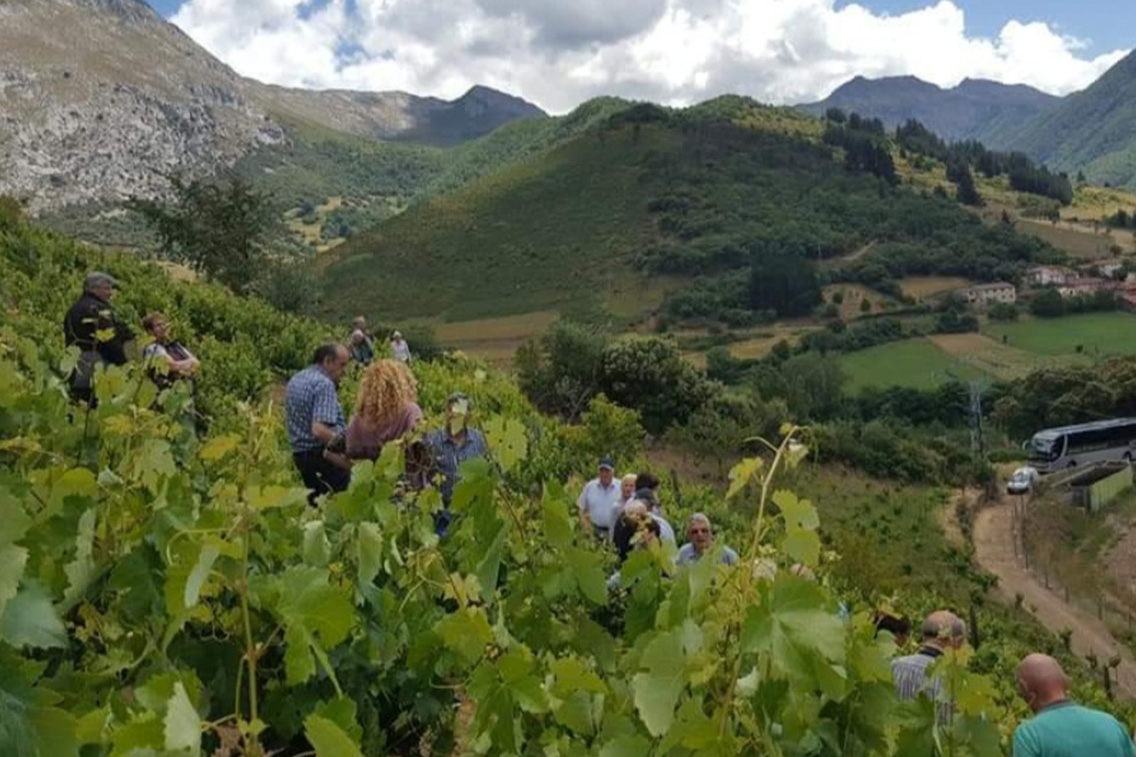
The organic remains from the distillation will be deposited in a suitable location for a period of three years, where they will be composted along with the pruning and clearing waste, and then used as fertilizer for the vineyards.