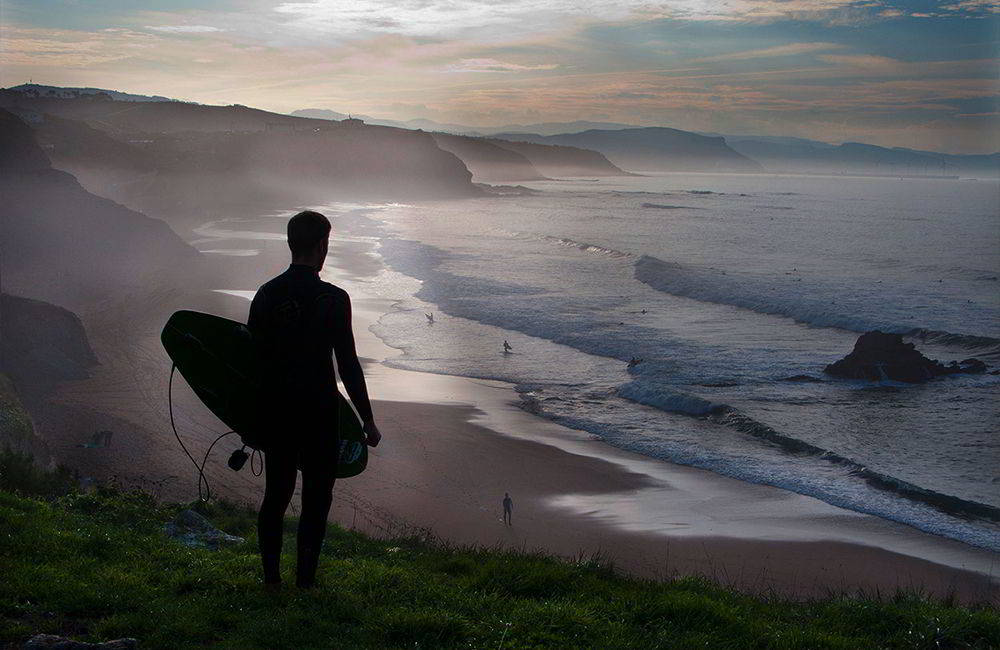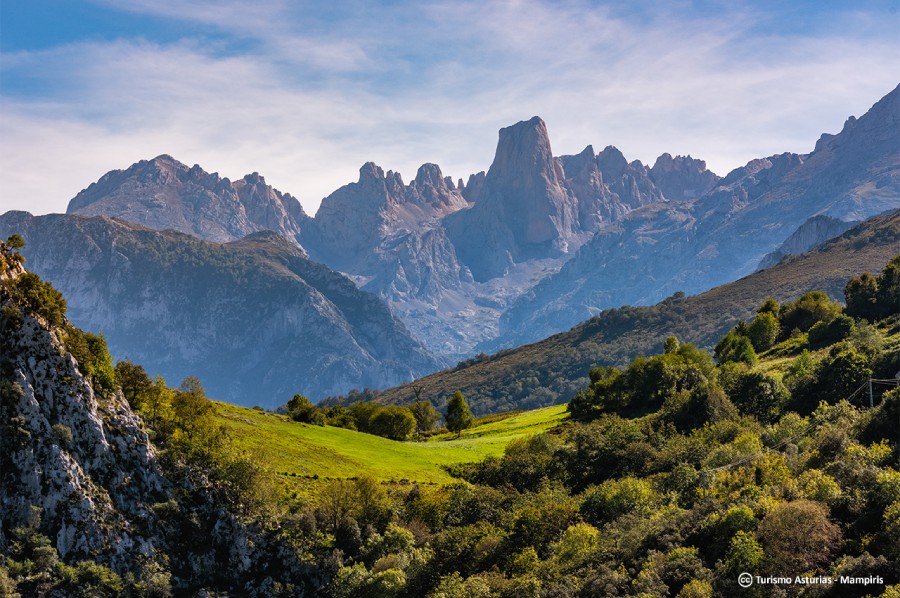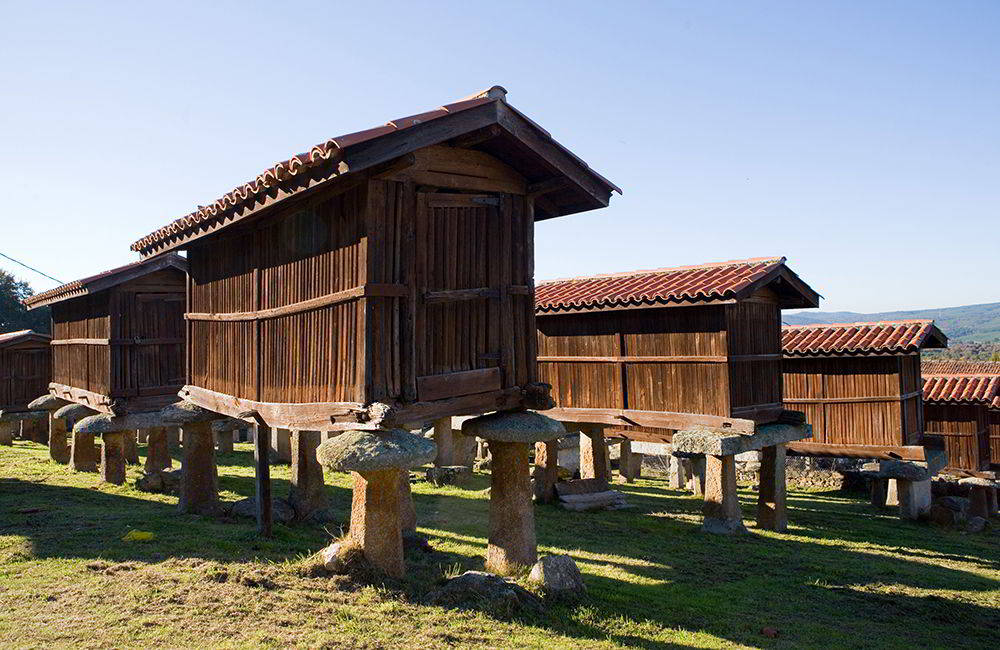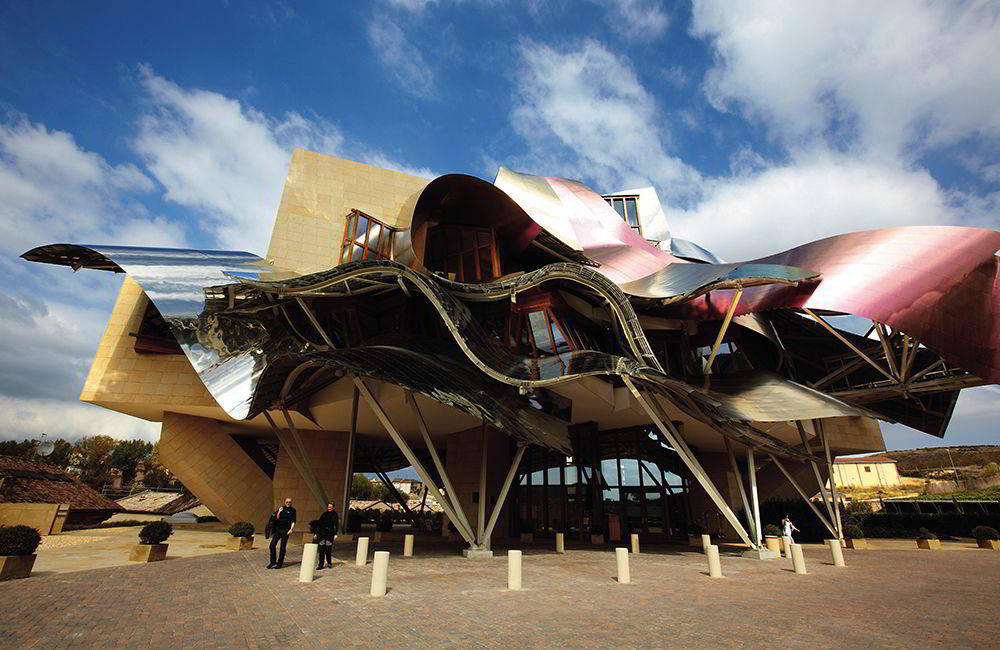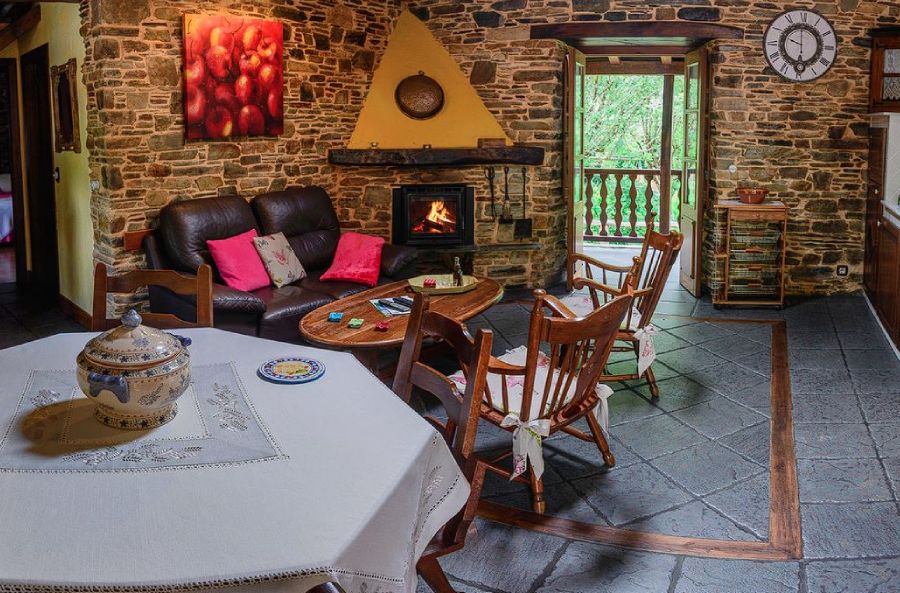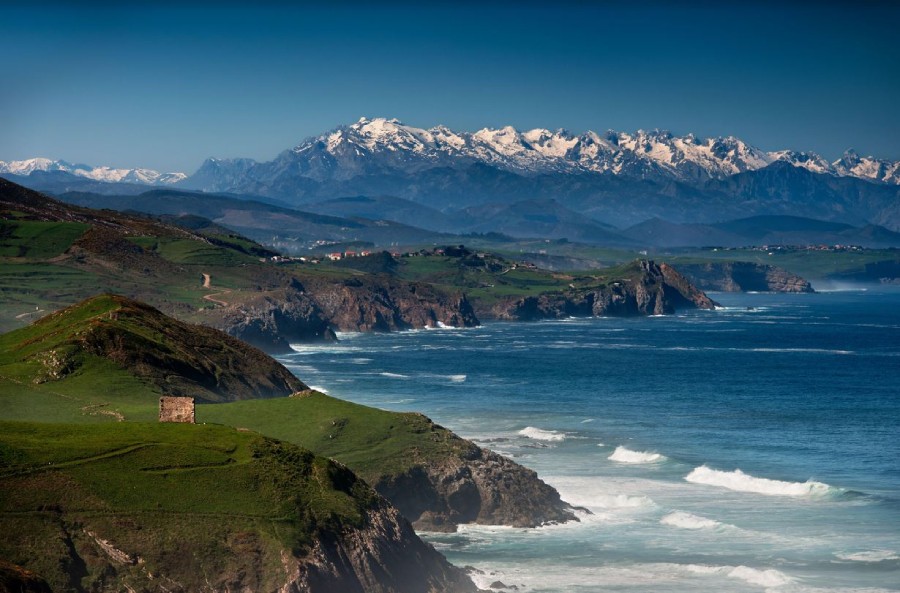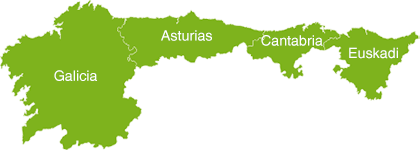



Nights are not always for sleeping. In Green Spain they can be used to spy on the stars or birds of prey. Are you more into enjoying the daytime? No need to worry. For those who wish to use the dark hours for sleeping, we have also selected two irresistible plans.
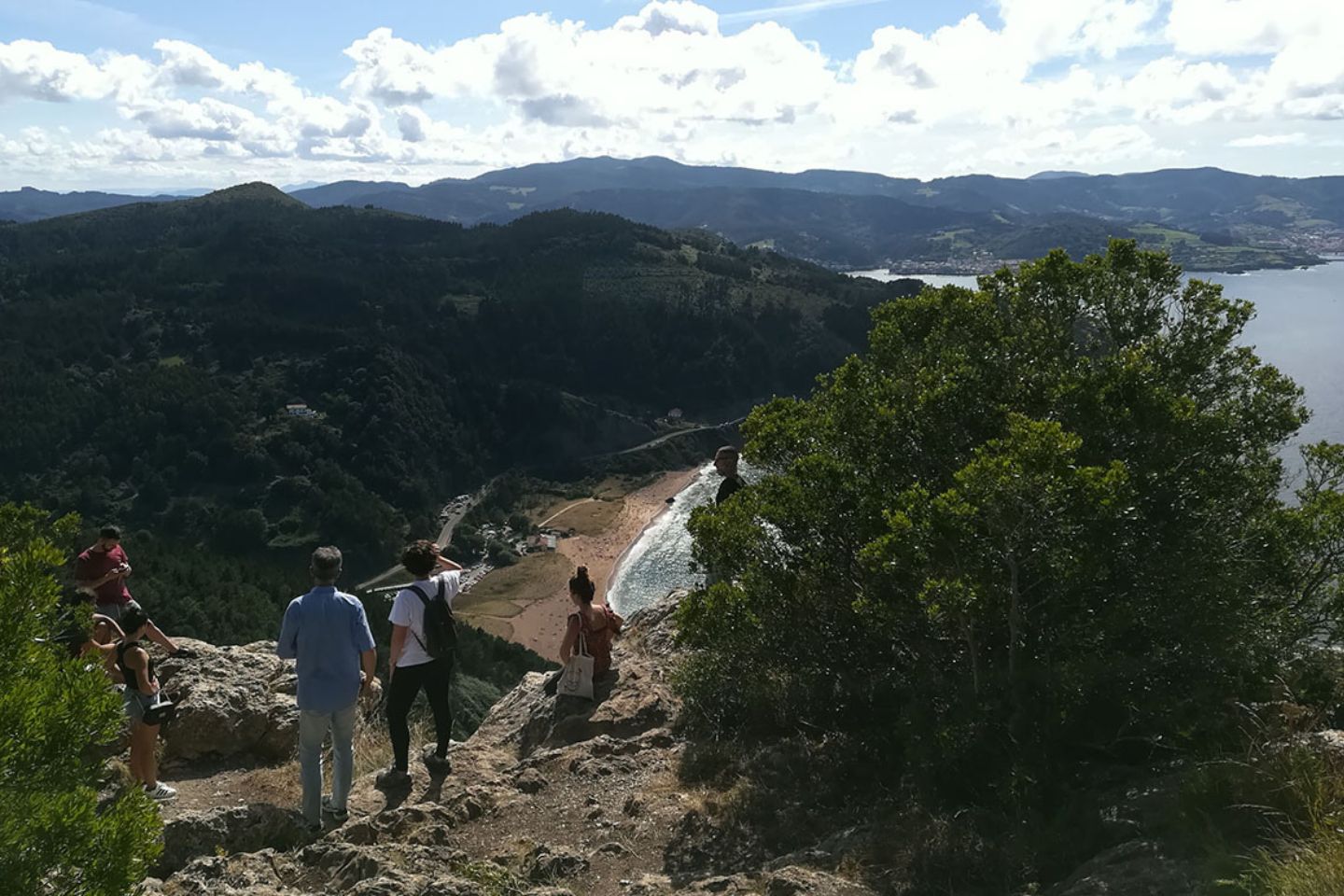
At the Top of the Reef. Urdaibai Biosphere Reserve. Bizkaia, Euskadi
What does the ‘At the Top of the Reef’ experience consist of?
It is a two-hour geotourism activity covering almost two kilometres that recreates one of the Basques’ favourite outdoor pastimes: climbing a mountain, coming back down and, in between, enjoying a complete experience with nature. The ‘top of the reef’ refers to Cape Ogoño, a large coral reef that was once beneath the waters of the Cantabrian Sea (and, of course, was home to a great deal of life) and which today rises 305 metres above sea level. Climbing to the very top and taking in the views of the Cantabrian Sea (and the Urdaibai estuary and the idyllic Laga beach and the island of Izaro…) from that height will make the effort worthwhile.
Where does the ‘At the Top of the Reef’ experience take place?
The route runs through the Urdaibai Biosphere Reserve and begins in the picturesque village of Elantxobe, a unique fishing village nestled between Ogoño itself and the Cantabrian Sea.
What is special about the Urdaibai Biosphere Reserve?
Urdaibai was declared a UNESCO Biosphere Reserve in 1984, as part of its Man & Biosphere programme, and is the only natural area in Euskadi with this status. Covering 22,000 hectares, it combines cliffs, mountains, beaches, rivers and marshes, and is home to exceptional biodiversity: 729 species of fauna, 821 species of flora, 86 habitats and more than fifty sites of geological interest. In addition, it is a unique case worldwide because it has its own regulatory law, approved by the Basque Parliament in 1989, something no other Biosphere Reserve has.
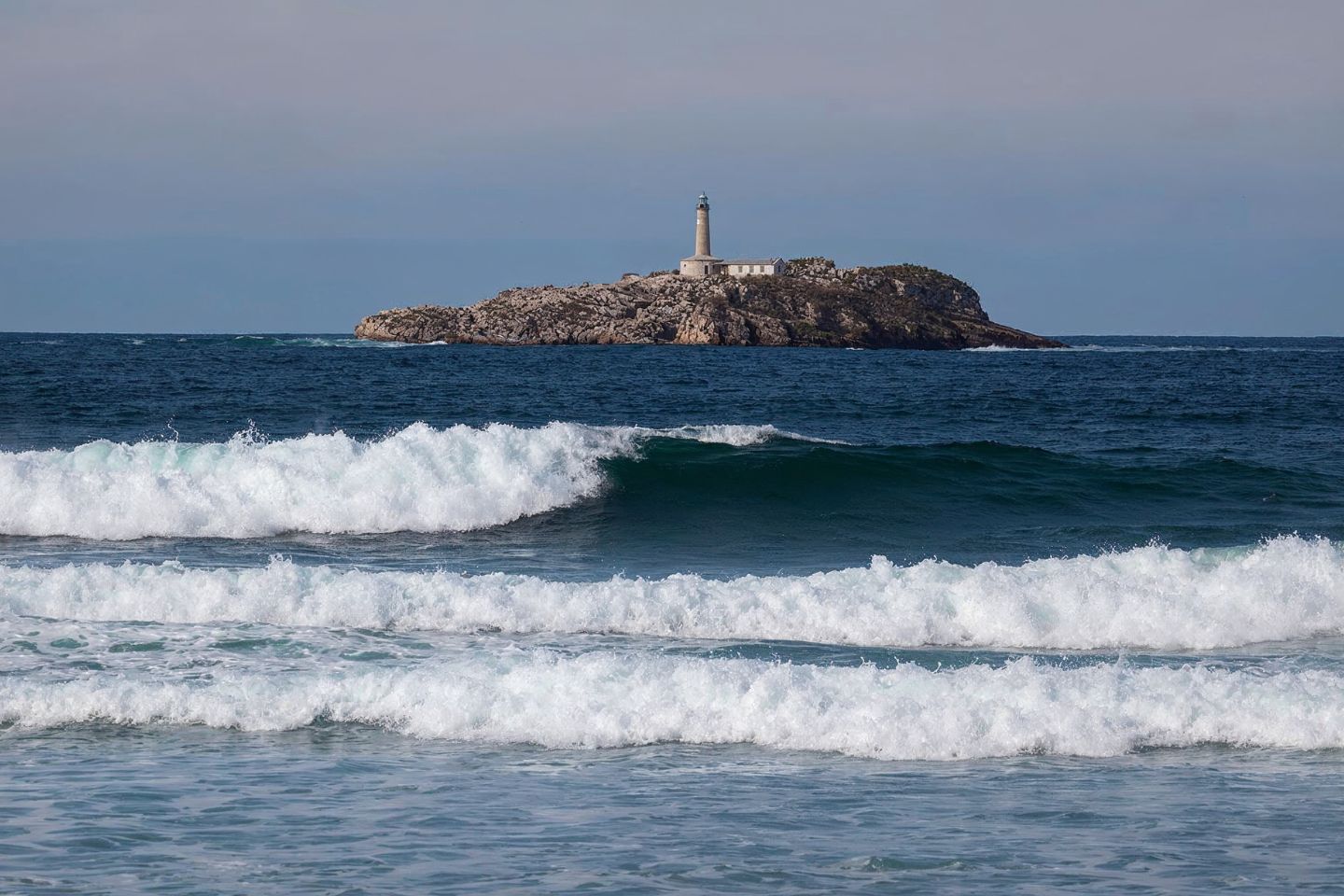
Treasures that Enrich the Bay of Santander. El Puntal Dunes and Miera Estuary SAC. Cantabria
What does the ‘Treasures that Enrich the Bay of Santander’ experience consist of?
It is a 90-minute boat route that interprets the Protected Natural Area of the Bay of Santander and explores its main attractions in depth, such as Mouro Island (with its iconic and solitary lighthouse), the estuary formed by the Cubas estuary (whose waters come from the Miera River) or the dunes of El Puntal. All these places are included in the Network of Protected Natural Areas of Cantabria and in the Natura 2000 Network.
Where does the ‘Treasures that Enrich the Bay of Santander’ experience take place?
It takes place in the Bay of Santander, specifically in the El Puntal Dunes and Miera Estuary Special Area of Conservation (SAC). In other words, a large natural area located on the doorstep of the Cantabrian capital that acts as a connecting element between the city, some of the most attractive beaches in Cantabria and the surrounding rural villages such as Pedreña or Somo.
What is special about the El Puntal Dunes and Miera Estuary SAC?
This area, which is part of the Natura 2000 Network, combines the extensive El Puntal-Somo-Loredo dune system, the mouth of the Miera River through the Cubas estuary, and the islands of Santa Marina and Mouro. It is a site of great ecological value with up to 15 different habitats, including mobile and fixed dunes, marshes, coastal heathlands and intertidal sandbanks. It is especially important for birdwatching —the osprey is a regular presence— and is home to unique species or an isolated population of Italian wall lizards, as well as offering an exceptional landscape of dunes, marshes and bay.
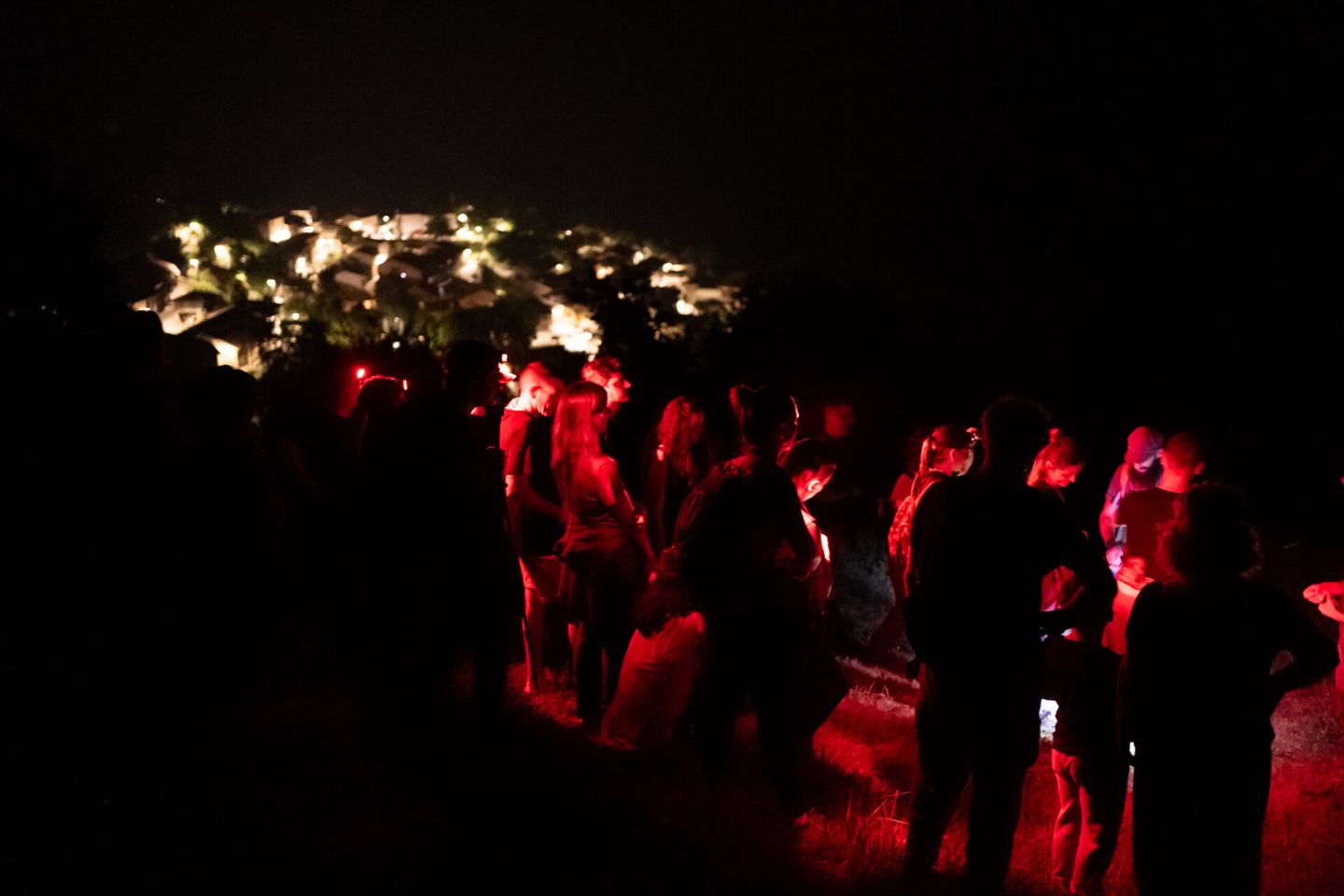
Ateneas. Discover Iberian Nocturnal Birds of Prey. Redes Natural Park and Biosphere Reserve. Asturias
What does the ‘Ateneas. Discover Iberian Nocturnal Birds’ experience consist of?
It is a 2-day and 3-night experience that combines nature and rural relaxation. It includes a bio-interpreted walk through the villages of the park to discover its biodiversity and the star activity that gives it its name, ‘Ateneas’, a short-distance night walk of little technical difficulty through the forest, where participants learn about the different species of nocturnal birds of prey of the Iberian Peninsula.
Where does the ‘Atenea. Discover Iberian Nocturnal Birds’ experience take place?
In the Redes Natural Park and Biosphere Reserve, one of the lushest corners of the Cantabrian Mountains, covered with beech, oak and chestnut trees. It is also home to emblematic fauna (brown bears, chamois, wolves…) and birds such as the golden eagle or the black woodpecker.
What is special about the Redes Natural Park and Biosphere Reserve?
Declared a Natural Park in 1996 and recognised as a UNESCO Biosphere Reserve in 2001, Redes covers almost 400 km² in the municipalities of Caso and Sobrescobio, in the heart of the Cantabrian Mountains. Its environmental richness includes formations of glacial origin such as moraines and cirques, karst formations in caves and limestone gorges, as well as extensive beech forests covering a large part of its territory and the largest populations of chamois and deer in Asturias. Added to all this is a rich ethnographic heritage: mountain villages and brañas with traditional stone architecture, and products such as the famous Casín cheese, with Protected Designation of Origin status.
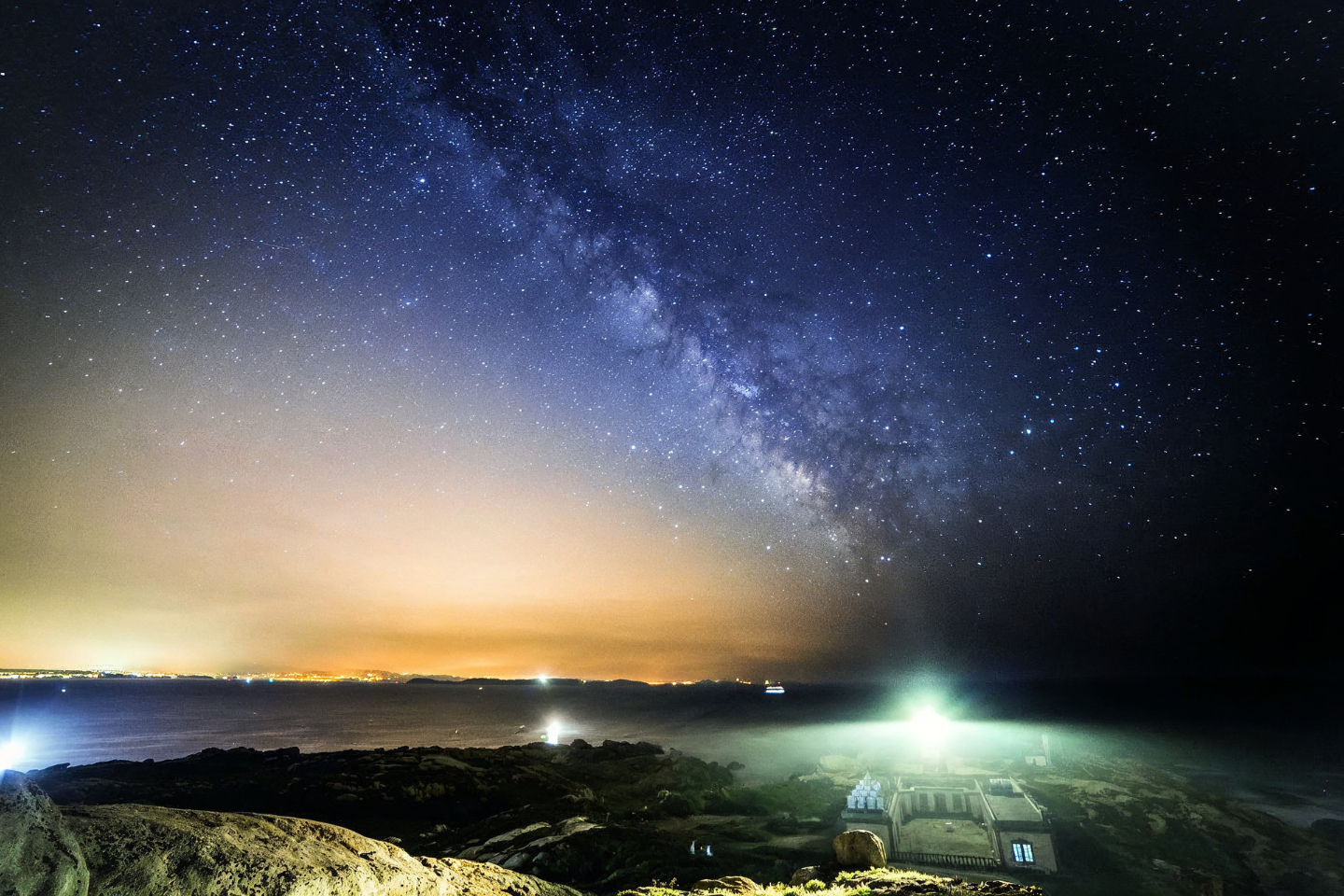
Starlight in the Cíes Islands. Maritime-Terrestrial National Park of the Atlantic Islands. Galicia
What does the ‘Starlight in the Cíes Islands’ experience consist of?
Spying on the stars when they are awake. In other words, at night. It consists of a four-hour night tour combining sailing with astronomical observation, accompanied by an expert astronomer. Participants explore the constellations from privileged locations in the Cíes Islands: sometimes anchoring in an inflatable boat opposite the idyllic and (almost) deserted island of San Martiño, and other times going ashore on Rodas beach on the Illa de Monteagudo.
Where does the ‘Starlight in the Cíes Islands’ experience take place?
It takes place in the Cíes Islands, within the Maritime-Terrestrial National Park of the Atlantic Islands of Galicia. Boarding and disembarking take place at the docks in Vigo.
What is special about the Maritime-Terrestrial National Park of the Atlantic Islands of Galicia?
To begin with, its geographical peculiarity, because it is, shall we say, a somewhat scattered park: it is the only national park in Galicia and is made up of four different and separate archipelagos (Cíes, Ons, Sálvora and Cortegada) located at the entrance to (keeping watch over it, rather) the Rías Baixas. The other great rarity is that 85% of its protected surface consists of areas belonging to the ocean, with rocky seabeds where forests of brown algae grow, providing shelter for great marine biodiversity. On land, its white-sand beaches and turquoise waters (Rodas beach in Cíes is often mentioned in the international press as one of the best beaches in the world) contrast with granite cliffs, dune systems and the most important laurel forest in Europe, in Cortegada. It also contains geological curiosities such as the furnas of Ons, sea caves carved into granite and linked to ancient local legends.