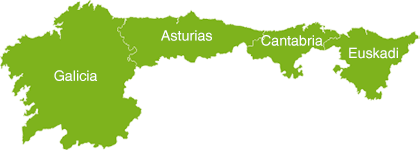



Autumn and winter are the seasons that, for some time now, have been associated with afternoons of “blankets and Netflix”. Autumn and winter are also the time of year when the kitchens of Green Spain turn to heartier fare, cooking times get longer and genuine delicacies made in pots and eaten with spoons emerge. And even when they are eaten with a fork (like the mushrooms we discuss a few lines below), the premise is always the same: the best local ingredients, sourced nearby, in season and prepared using classic recipes that have more than stood the test of time. We have selected four dishes, four icons to enjoy on days of rain, cold weather and autumnal feelings. Enjoy your meal!
PURRUSLADA. Basque Country
What is purrusalda?
It is a very simple, very humble and yet very tasty stew typical of the Basque Country and deeply rooted in Basque homes: so much so that you are unlikely to find it on a restaurant menu. Purrusalda is synonymous with ‘home’, traditional cooking and, of course, autumn. Purrusalda means ‘village broth’ in Basque, and that is precisely what it is: a stew that originated in the vegetable gardens of traditional Basque farmhouses and was used (and still is) to warm stomachs with a thick soup made from leeks and potatoes (cooked with water and olive oil, of course). From there, the generosity of the vegetable garden did the rest: if there was pumpkin, into the pot it went. Carrots? Those too. Garlic? That would never go amiss…
In which part of the Basque Country is it typical?
In every corner of the Basque Country where there is or has been a vegetable garden, there is a tradition of purrusalda, from the Álava Plain and the extensive vegetable gardens of this immense valley, to the mountainous territories of Gipuzkoa and Bizkaia, where there are creative variations that we will reveal a little later. The purrusalda season began at the end of summer and, if the land had been generous, these ‘leek broths’ continued throughout the winter. Nowadays, with supermarket shelves well stocked with everything throughout the year, seasonality has changed but… what could be better than enjoying a piping hot purrusalda when the temperature drops to freezing?
Which purrusalda recipe would you recommend trying?
The classic recipe is so simple that it is unlikely to disappoint, but anyone who enjoys unconventional variations should try a very popular version that is a must-taste: purrusalda with desalted cod, an essential source of protein in pantries throughout the Basque Country.
COCIDO MONTAÑÉS. Cantabria
What is cocido montañés?
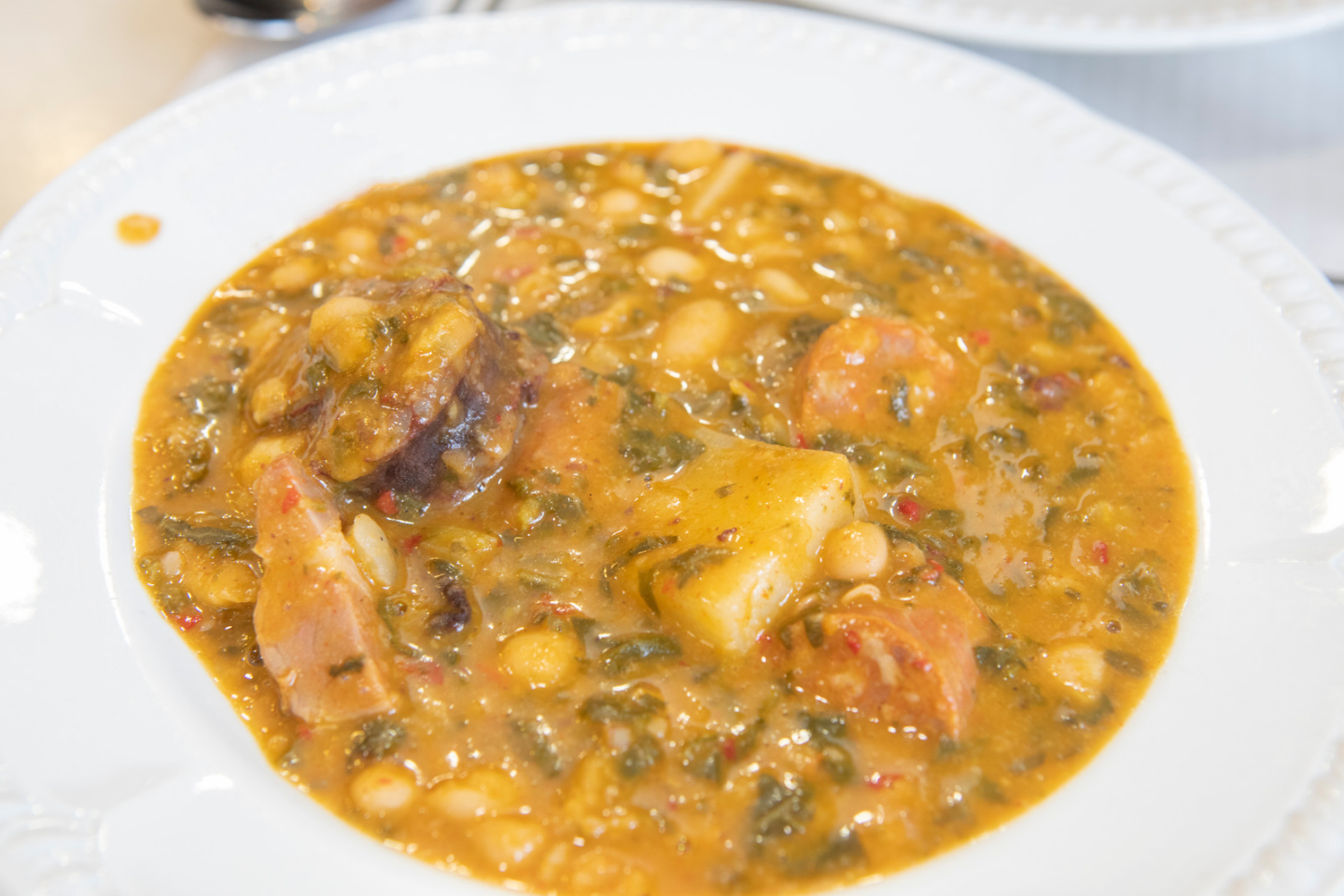
Let’s start with a spoiler that will surprise no one: you are unlikely to find fish or seafood in a pot of Cantabrian cocido montañés. Here, the main ingredient is the meat of an animal that is more than common in rural areas throughout Spain: the pig. The basis of cocido montañés is white beans -usually small round white beans- cooked together with collard greens (or cabbage, depending on the area) and potatoes. But the soul of cocido montañés lies in the ‘compango’: the assortment of meats and cured sausages added to the stew. Chorizo, Cantabrian blood sausage (with plenty of onion, no rice), bacon, marinated pork ribs and, depending on personal tastes and the household where it is prepared, pig’s ear or tail. Everything is cooked together over a low heat for hours, allowing the fat from the compango to soak into the beans and the broth to thicken until it becomes rich and velvety.
In which part of Cantabria is it typical?
As its name suggests, cocido montañés belongs to the inland areas, not the coast. Its natural territory is the valleys of the south and centre of the region: the Saja-Nansa valley, Cabuérniga, Campoo, Liébana and the districts stretching towards the Cantabrian Mountains and the Picos de Europa. Unlike other stews from the Iberian Peninsula, cocido montañés is not served in several courses (soup, chickpeas and meat separately, usually in that established order): it is presented as a single dish, all together, with the chopped greens mixed among the beans and the compango arranged on top or alongside. It is a dish designed for physical labour and the damp cold of the Cantabrian mountains, and today it remains the hearty spoon dish that any Cantabrian (or anyone travelling through Green Spain) craves as soon as the temperature drops. Villages such as Bárcena Mayor, in the heart of the Cabuérniga valley, are gastronomic landmarks for this dish and attract visitors every autumn and winter who want to enjoy it in its original setting, while in Santander and along the coast it is also prepared, but more as a dish “imported” from inland areas than as a symbol of local identity.
Which cocido montañés recipe would you recommend?
The classic one, of course, widely served in restaurants in the Cantabrian areas mentioned above (although the finishing touch depends on each cook). It is in these valleys that pigs have traditionally been raised for home slaughter —hence the abundance of compango in the recipe— and where the mountain climate, colder and with harsher winters than the coastal strip, has historically made such a calorie-rich and substantial dish necessary.
AUTUMN MUSHROOMS. Asturias
What are autumn mushrooms?
Quite a phenomenon. A natural phenomenon capable of arousing genuine passion not only among food lovers, but also among the large community of ‘mushroom hunters’ who enjoy roaming the mountains autumn after autumn in search of this prized delicacy.
What makes it possible? Time for a little science: the seasonal fruiting of fungi is the ‘fruit’ of an organism that lives almost all year underground in the form of mycelium, a network of filaments that spreads through the forest floor. When the rain soaks the ground and temperatures fall, that mycelium pushes towards the surface and the mountains fill with mushrooms in a matter of days.
In which part of Asturias are they typical?
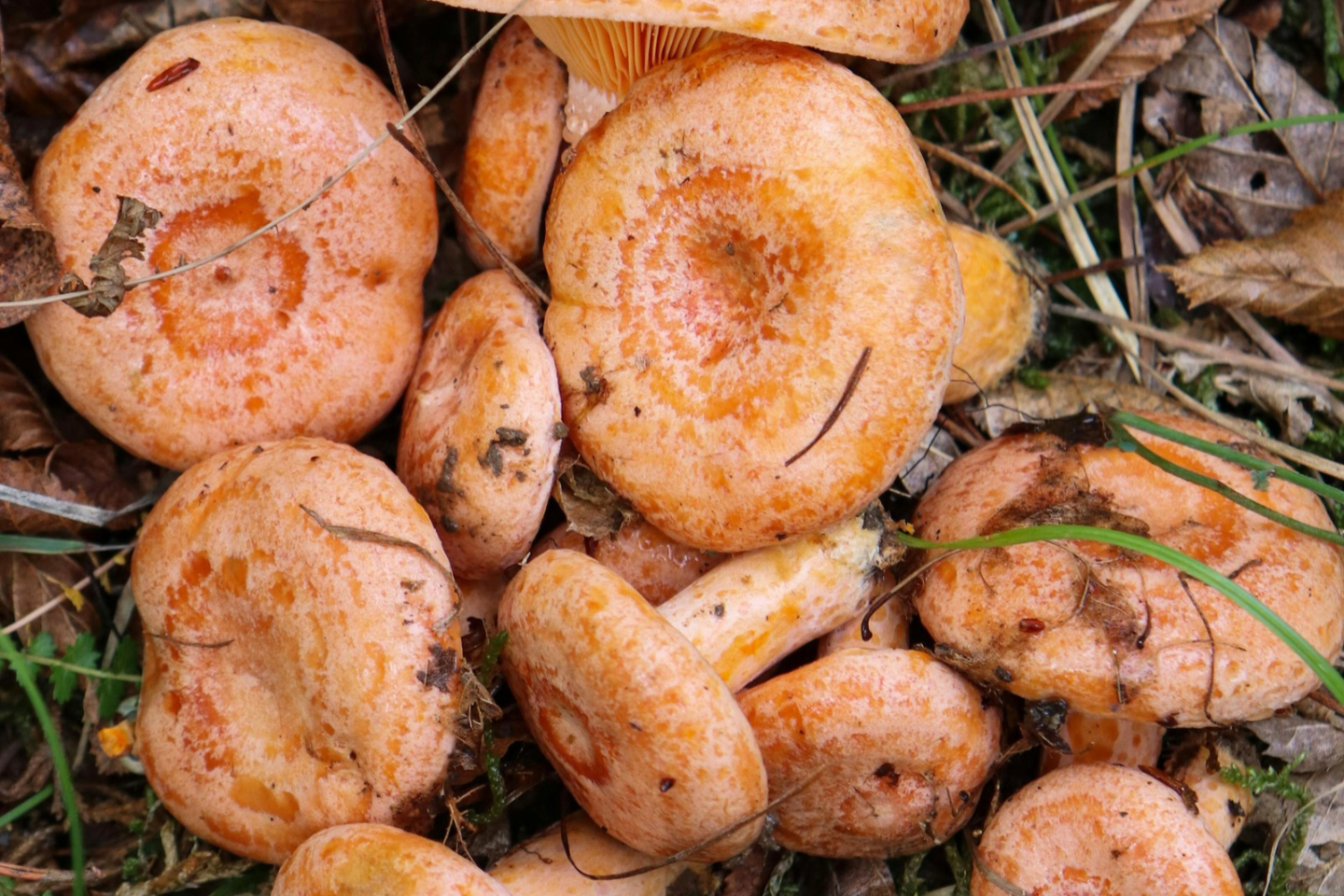
Asturias is one of Spain’s great mycological regions. More than 3,000 species of mushrooms and fungi have been catalogued over the last twenty years, and of the three most prized mushrooms on the Iberian Peninsula, two frequently appear on Asturian soil: Boletus Edulis and Amanita Caesarea. Moreover, unlike other regions, edible mushrooms can be gathered here practically all year round, with morels in April and St George’s mushrooms in spring. But autumn is the main season: almost all species begin to fruit, with boletes, lepistas, milkcaps and tricholomas among the most common. Saffron milkcaps are abundant, and chanterelles and trumpets of the dead are also common.
Mushrooms can be found throughout Asturias (and, of course, throughout Green Spain), but some areas have a stronger tradition. We are referring above all to the Central and Western Mountains, with municipalities such as Mieres or Cangas de Narcea; the natural parks of Redes and Somiedo and the Muniellos forest are particularly privileged locations. In the west, the higher inland municipalities also stand out, such as Boal, Illano and Los Oscos, while in the central-eastern area there is the municipality of Piloña and those surrounding the Sierra del Sueve.
Which mushroom recipe would you recommend?
In Asturian cuisine, many ingredients are treated with respect and little embellishment. Mushrooms, of course, are among these ingredients. In fact, the recipe matters less than freshness: a freshly picked, properly cleaned mushroom, brushed rather than soaked, needs little more than a hot frying pan, extra virgin olive oil, garlic, parsley and a minimum of culinary common sense. Overcooking it, for example, is the quickest way to make it release its water and lose its aroma. And last but not least: nobody should eat a mushroom they cannot identify with complete certainty, and the collection regulations in the Principality should be checked before filling the basket.
GALICIAN CHESTNUTS. Galicia
What are Galician chestnuts?
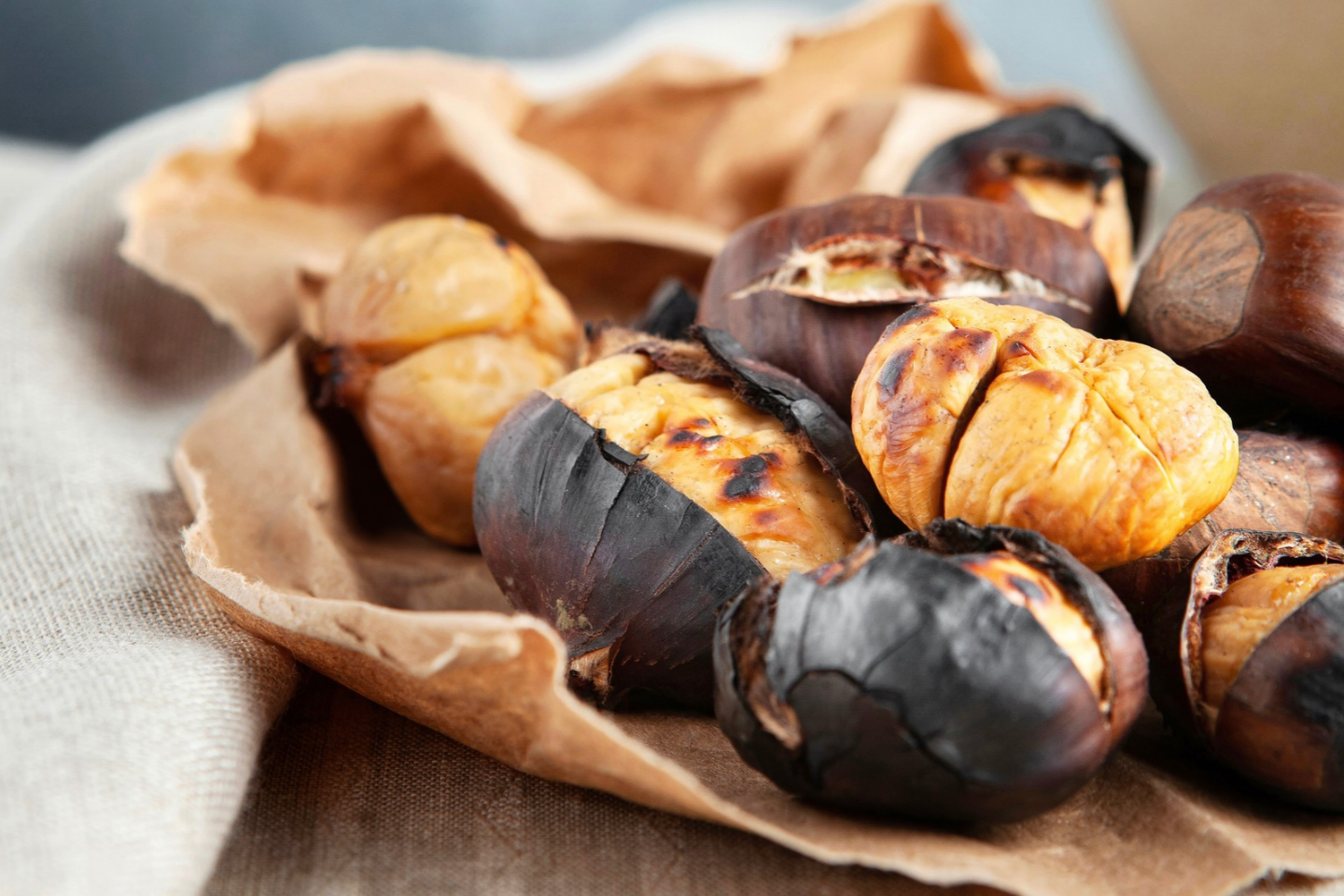
Perhaps the question is unnecessary, as everyone knows what a chestnut is, so perhaps it would be better to rephrase it: what do chestnuts mean to Galicia? Better, isn’t it? For Galicia (and for numerous rural areas throughout Green Spain), chestnuts are an essential part of its gastronomic heritage: they have been (and still are) part of the landscape, an economic driving force, a source of sustenance and warmth. Over time, they have also become part of the culture. Before potatoes reached the table from America, chestnuts (fresh, dried or ground into flour) sustained the pantries of many inland villages.
For all these reasons, the Protected Geographical Indication for Galician Chestnuts was established in 2009, the only chestnut PGI in Spain, recognised to protect the fruits of the European chestnut tree (Castanea Sativa) belonging to native Galician varieties. Why Galicia? Because Galicia ranks first in Spain for chestnut production and exports, with around 45,000 hectares of chestnut groves, of which approximately 25,000 are productive soutos.
In which part of Galicia are they typical?
Chestnut trees grow throughout almost all of Galicia because they need abundant, evenly distributed rainfall, mild temperatures and warm summers that favour ripening, conditions that Galicia (and many other areas of Green Spain) meets ideally. But the true heart of chestnut country lies inland: the whole province of Ourense, practically all of Lugo (except the municipalities of A Mariña) and, in Pontevedra, districts such as Deza and Tabeiros-Terra de Montes, as well as municipalities such as Cotobade, A Lama, Campo Lameiro and Cuntis.
In a modern, technologically advanced world like ours, it is not unusual for certain traditions to make a strong comeback, and here the chestnut tradition comes back to life in autumn. The Festa da Castaña in Folgoso do Courel and the Festa do Magosto in Ourense have been declared events of tourist interest and have a close relationship with this fruit: the former for obvious reasons, while the latter is a celebration with pagan roots where, among other delicacies, visitors can taste the chestnuts of the season.
Which recipes would you recommend?
Perhaps one of the most deeply rooted is chestnut broth, also known as calduda. It is typical of the mountainous inland areas of Galicia during autumn and winter, and is gradually being revived. Who knows whether, in a matter of weeks or months, it might become one of the dozens of recipes that go viral around the world through TikTok or Instagram.