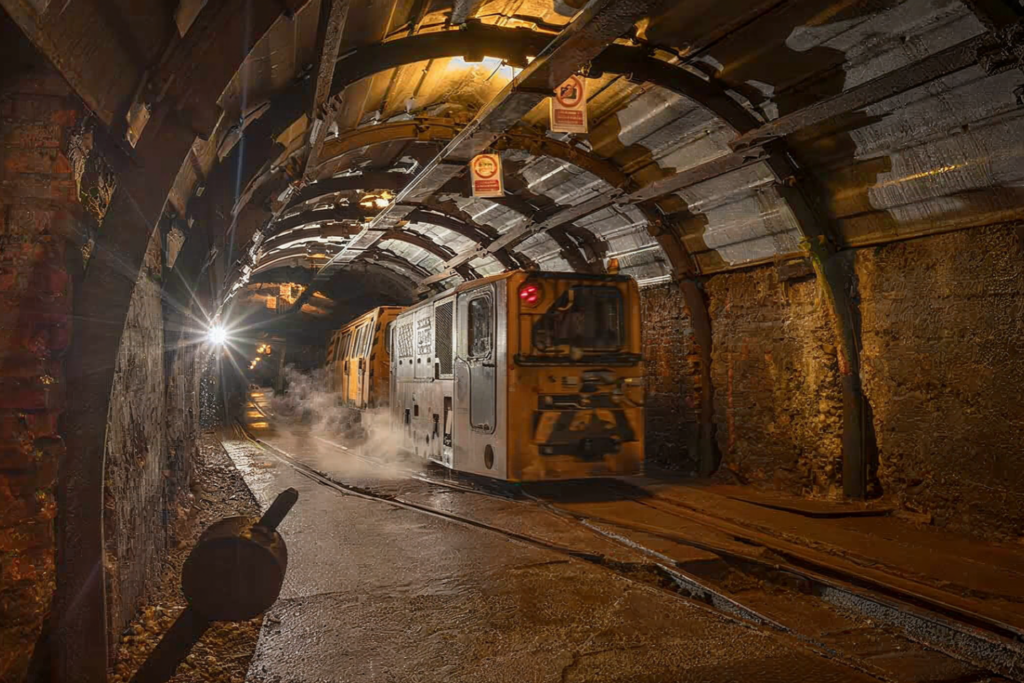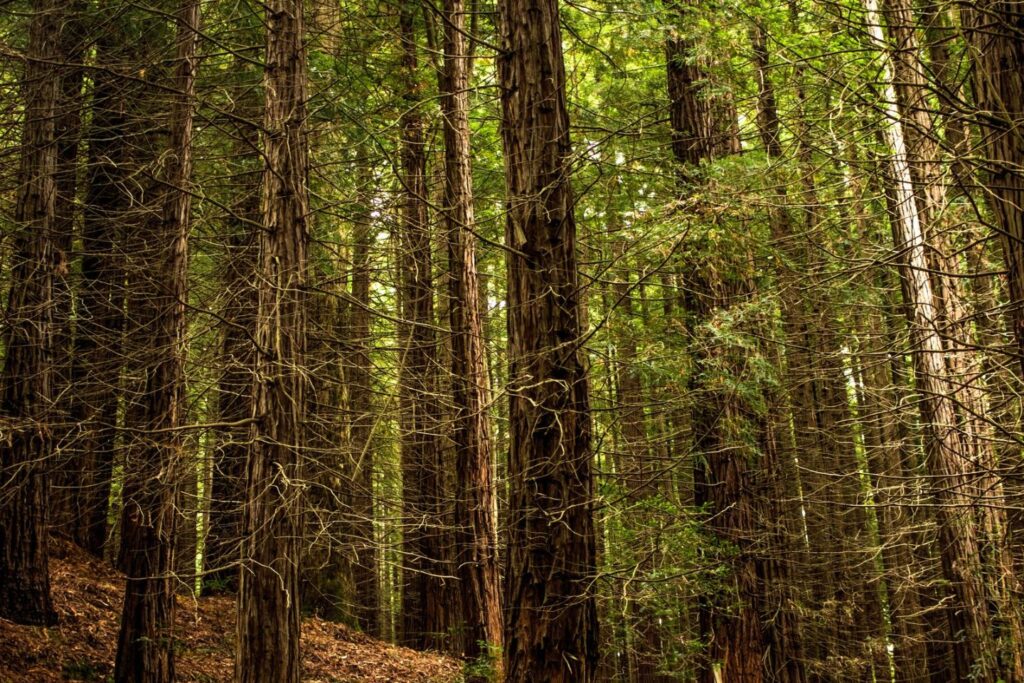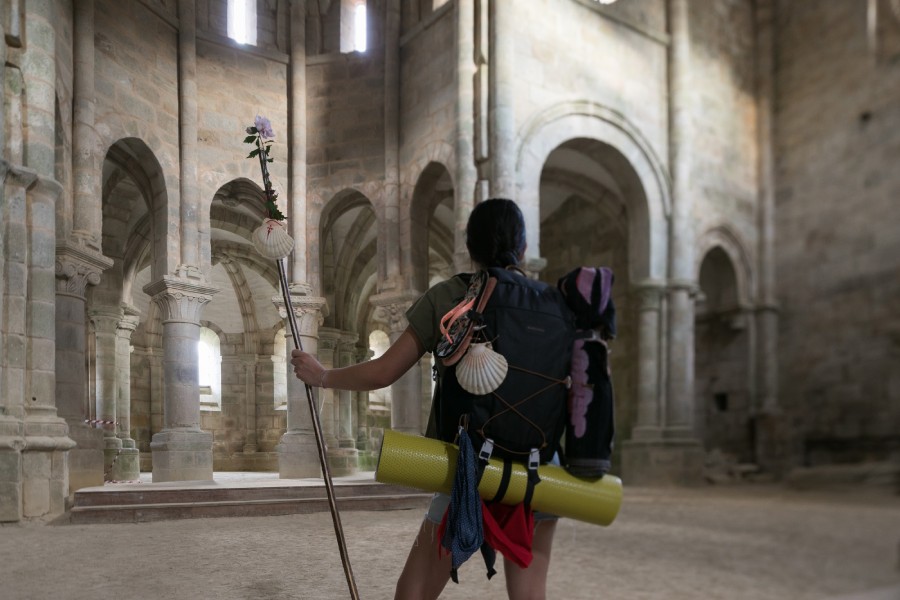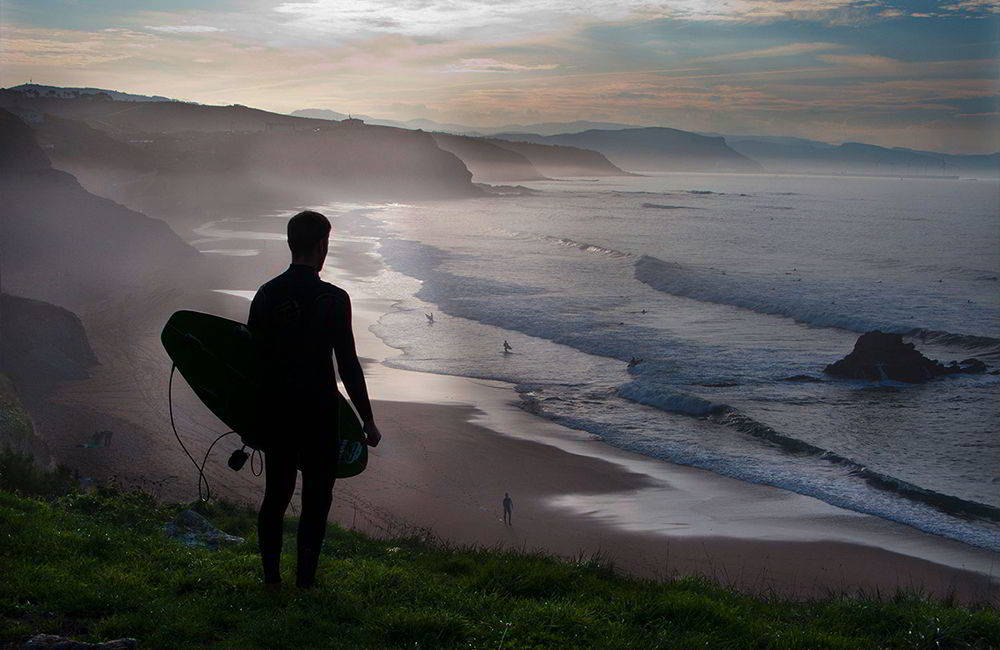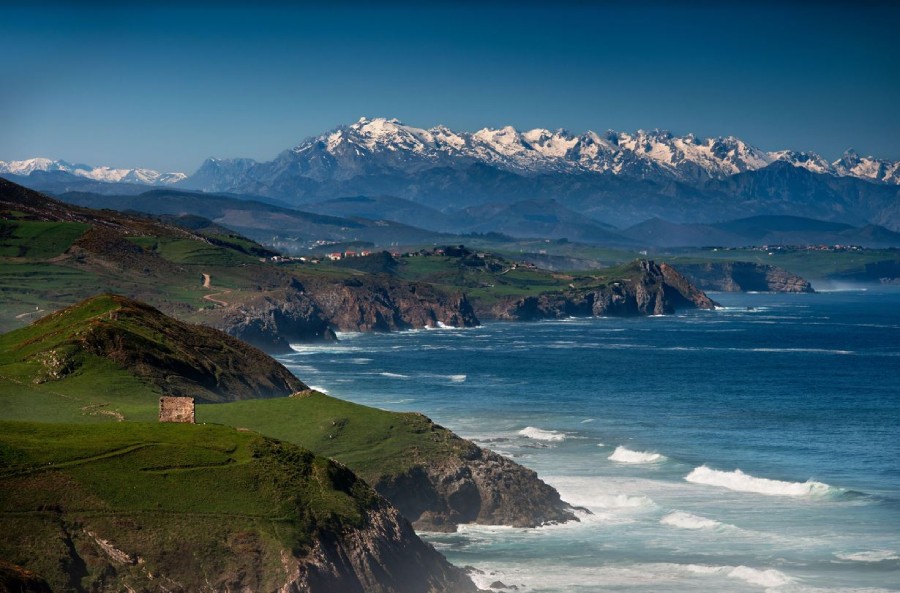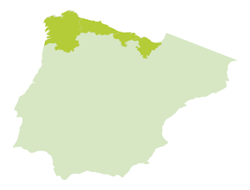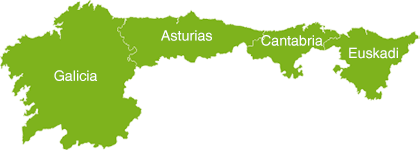



Is winter the ‘slowest’ season of the year? Is there anything better than enjoying winter at a leisurely pace, far from the crowds and stresses of summer? And what if we took that break from our daily routine in four exceptional natural areas of the Green Spain Ecotourism Reserve? We have selected four extraordinary experiences to connect with the landscape (and with ourselves) during the most peaceful season of the year.
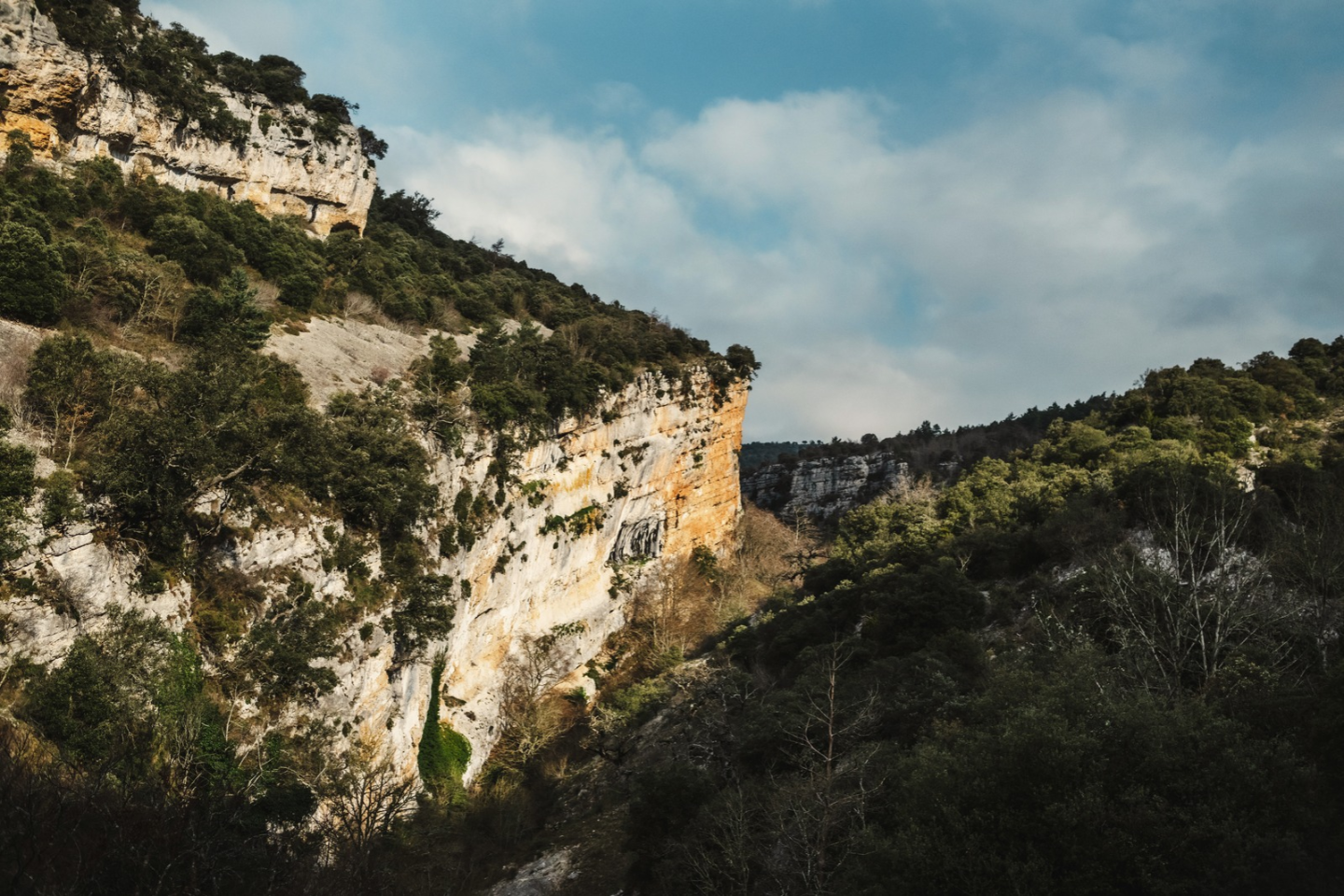
The magic of water in Valderejo Natural Park, Araba/Álava (Euskadi)
What winter experience would you recommend in Euskadi?
How about one connected to that liquid element called ‘water’, which is so present throughout Green Spain? ‘Sobrón and the Magic of Water’ is an experience that, as you may have already guessed, revolves around the territory’s most valuable resource… and one of the most valuable resources in our own lives. It begins with a visit to the Sobrón Water Museum, a unique space in Euskadi, continues with an interpretive walk through the Ebro Gorge and is complemented by a water tasting, with samples taken directly from the springs of Sobrón and Portilla.
Where is Valderejo Natural Park located and what makes it special?
Valderejo is located in the westernmost part of Araba/Álava, in Euskadi, and encompasses a mountainous area of great ecological and scenic richness. What different ‘touch’ does Valderejo bring to a territory as rich as Green Spain? Firstly, its extremely low population density. Secondly, its so-called ‘climatic transition’: the park is like a giant cocktail shaker in which an Atlantic environment mixes (without shaking) with a strong Mediterranean influence, resulting in remarkable botanical diversity. Examples? A simple walk is enough to come across extensive areas of holm oak woodland, Portuguese oak woodland, relict beech forests and heathlands, habitats that provide homes and shelter for the park’s most cherished inhabitants. And who are they? The community of cliff-nesting birds of prey, including the golden eagle, Egyptian vulture, Eurasian eagle-owl, peregrine falcon and the largest colonies of griffon vultures in Euskadi.
Why is it worth visiting in winter?
For one thing, for sentimental reasons: nature in winter, so fragile and bare, can create unique atmospheres, turning forests such as those of Valderejo into havens of peace and silence. Bird enthusiasts will hardly need reminding of this fact: the courtship and nesting season of many cliff-nesting birds of prey begins in the depths of winter, meaning that the cliffs start coming to life weeks before spring arrives.
A Bird Spa in the Dunas del Puntal and Miera Estuary Special Area of Conservation (Cantabria)
What winter experience would you recommend in Cantabria?
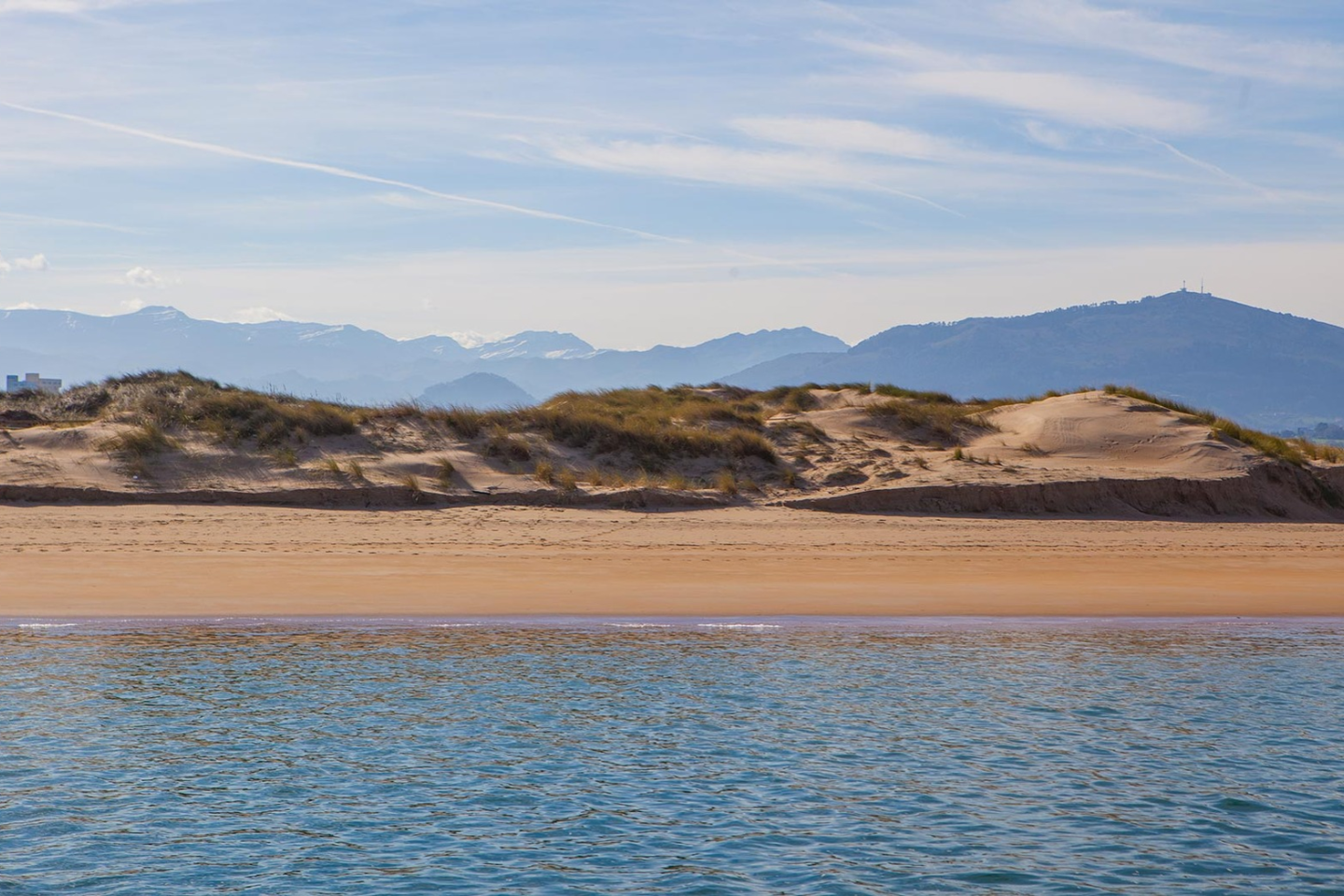
The title leaves no room for doubt: ‘Wintering Waterbirds in the Bay of Santander’ is a journey that offers a completely refreshing perspective, the kind of perspective that comes naturally to those with the soul of an ornithologist. Because when people look out over this vast expanse dominating Santander’s horizon, they usually search for the Somo sand spit in the distance, lose themselves watching the ‘pedreñeras’ boats sailing by or imagine the dreamlike silhouette of the Magdalena Palace. Most people forget (we forget) to look up at the sky or towards the wetlands.
When autumn gives way to the cold, the bay of Santander becomes a refuge for thousands of birds that choose this corner of the Cantabrian coast to spend the season, ensuring access to food and milder temperatures than those found in northern Europe.
The experience consists of a two-hour guided and interpreted excursion aboard a sustainable boat equipped with solar panels. Very important: binoculars are included, so all you need to do is wrap up warm and have your camera (or mobile phone) ready.
Where is the Dunas del Puntal and Miera Estuary Special Area of Conservation located and what makes it special?
The route takes place in the Dunas del Puntal and Miera Estuary Special Area of Conservation, in the eastern sector of the Bay of Santander. This protected area extends across parts of Santander, Marina de Cudeyo and Ribamontán al Mar, safeguarding a particularly interesting collection of different coastal habitats, from dune systems and intertidal flats to small islands and the Miera estuary itself.
What will bird enthusiasts, or those who may not know quite as much but are fascinated by these extraordinary creatures, find here? For example, the only breeding pair of ospreys on the Cantabrian coast, the breeding colonies of gulls on Mouro Island, European shags and storm petrels…
Why is it worth visiting in winter?
Because this is when the estuary welcomes birds arriving from the north. Among them are divers, red-necked grebes and other grebes, red-breasted mergansers, common scoters and great black-backed gulls. All this makes the area a strategic location for ornithology.
The landscape also plays an important role, not only the scenery that surrounds us but also what we can glimpse in the distance, such as the inland mountains, whose peaks may be covered in snow at this time of year.
A Walk Through the Snow in Las Ubiñas-La Mesa Natural Park and Biosphere Reserve (Asturias)
What winter experience would you recommend in Asturias?
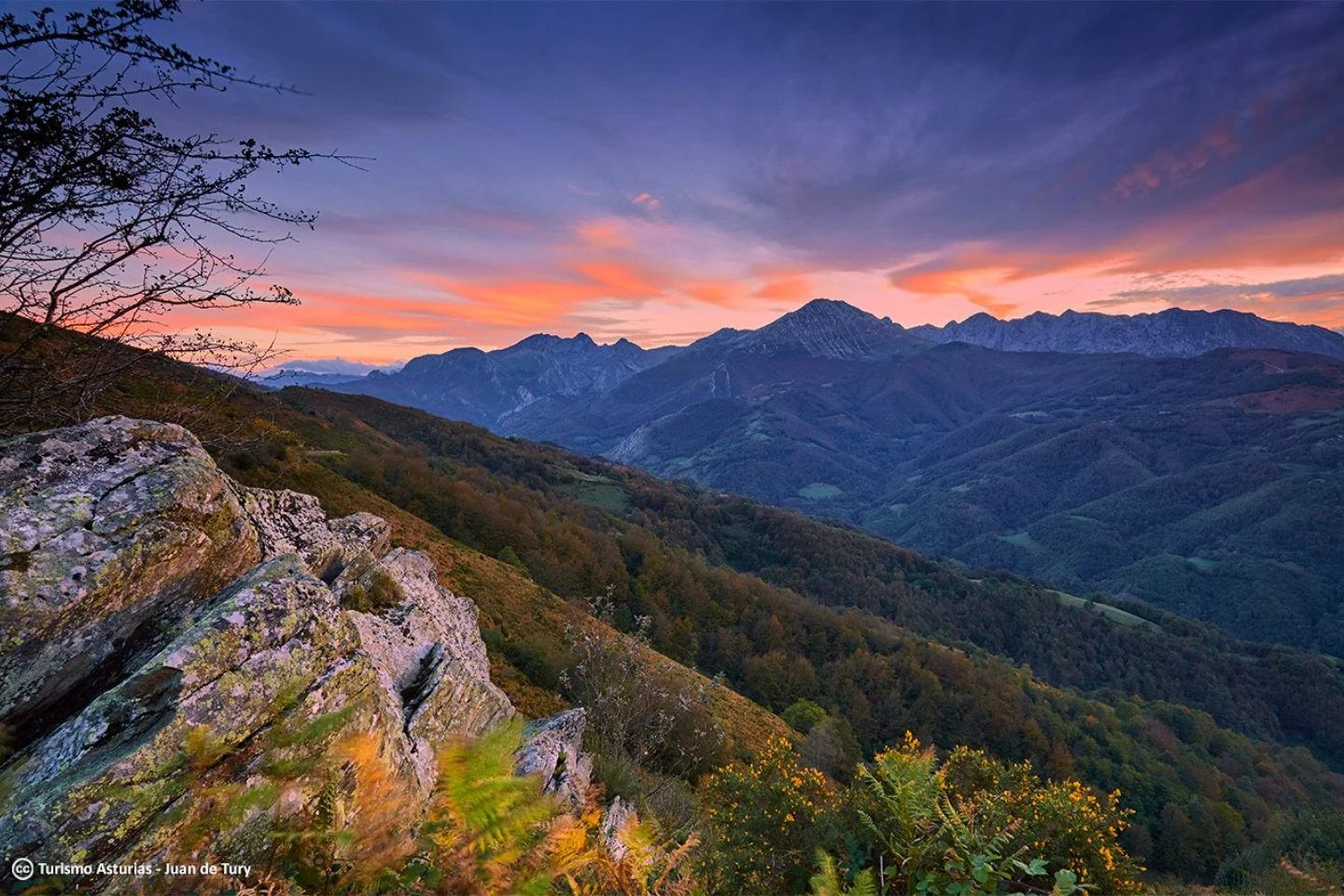
Here we go: wrap up warm and don’t forget your gloves, because this experience guarantees a dose of moonlight, plenty of silence and a little cold, but the good kind of cold. The ‘Night-time Snowshoeing Route in Las Ubiñas-La Mesa’ will allow you to discover one of the lesser-known high-altitude areas of Asturias, and to do so in ideal conditions: a peaceful night-time walk accompanied by specialist guides, making short stops to observe the sky, the stars and the moon, and to enjoy the sunset over the natural park.
The excursion begins at the summit of Cuitu Negro, the highest point in Asturias that can be reached mechanically (aboard the cable car), at the Valgrande-Pajares ski and mountain resort.
Where is Las Ubiñas-La Mesa Natural Park and Biosphere Reserve located and what makes it special?
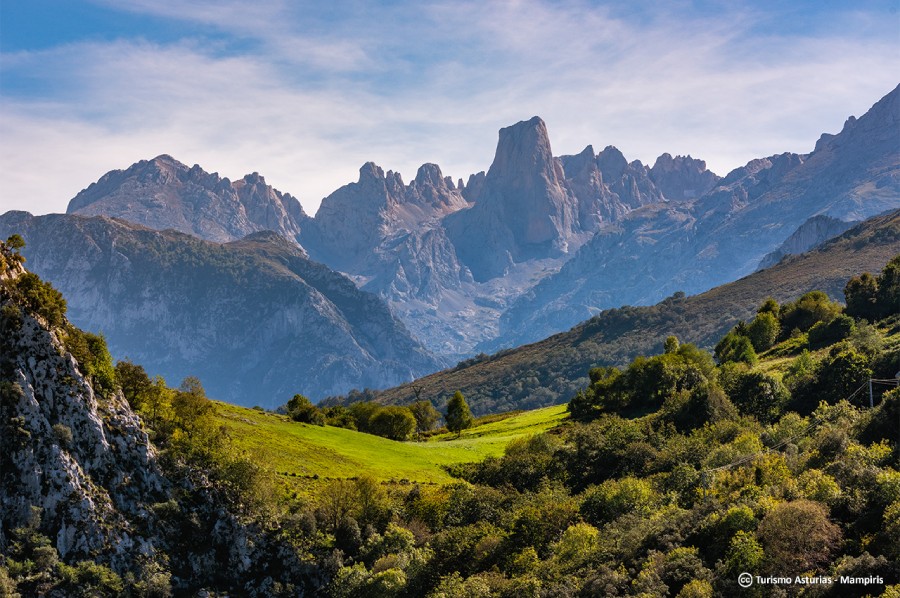
The Las Ubiñas-La Mesa Natural Park and Biosphere Reserve is located in south-central Asturias. It is a high-mountain territory that, as you would expect, is characterised by striking contrasts, with some of the highest limestone peaks in the central section of the Cantabrian Mountains, surpassed only by those of the Picos de Europa. It combines high mountains, gorges, forests and pastures, with a wealth of biodiversity, geological features and traditional culture.
Its wildlife is another of its major attractions. The brown bear lives in its beech, oak and birch forests, is present throughout the area (and across almost all of inland Asturias) and can be observed from several good vantage points. Among the birds are the wallcreeper, golden eagle, grey partridge and alpine sparrow. In the rocky high-mountain areas, the Apollo butterfly stands out. The Iberian wolf and the last remaining Cantabrian capercaillies, the emblem of the resort, also inhabit this territory.
Why is it worth visiting in winter?
The route brings together three things that only winter can offer: snow beneath your feet, the night sky and a high-mountain sunset. The cable car provides a unique panoramic view of the surroundings and, once at the top, gazing at the celestial dome in a place with so little light pollution is a true privilege
A Celebration of Galician Winter in the Mariñas Coruñesas e Terras do Mandeo Biosphere Reserve?
What winter experience would you recommend in Galicia?
One that brings together several of the characteristics we all associate with Galicia: a combination of gastronomy, the finest local products and their connection with the wonderful landscapes of this biosphere reserve, which begins beside the Atlantic Ocean and extends inland into wooded areas. ‘Sowing Health: Eating and Drinking Healthily in Mariñas Coruñesas’ is the name of an experience that varies depending on the time of year you visit the area. What does it include? In December, for example, the experience includes a visit to a permaculture farm and a tasting of local products, with accommodation in hotels certified under the Biosphere Reserve label.
Where is the Mariñas Coruñesas e Terras do Mandeo Biosphere Reserve located and what makes it special?
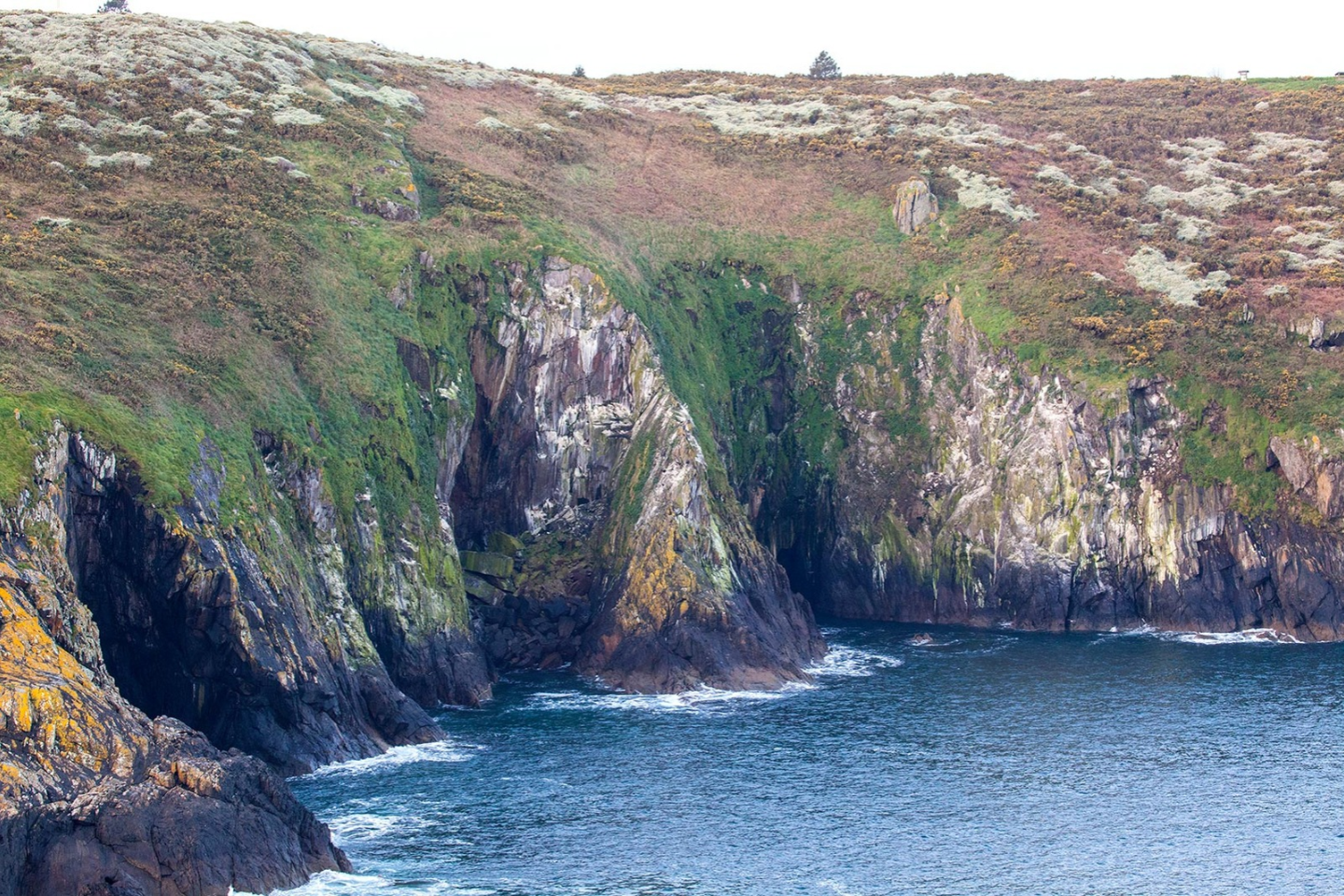
The Mariñas Coruñesas e Terras do Mandeo Biosphere Reserve is located in the province of A Coruña, in Galicia, and encompasses 17 municipalities. In other words, it is a complete mosaic in which, alongside interesting towns such as Betanzos, Sada and Bergondo, there are coastal, river and inland landscapes. The reserve has more than 100 km of rugged coastline, with cliffs and small islands that are home to one of the largest populations of European shags on the Galician coast. Its estuaries and beaches provide shelter and feeding grounds for migratory birds, while the threatened Kentish plover breeds there. Inland, the basins of the Mero and Mandeo rivers preserve riverside forests that connect with the so-called ‘fragas’, dense areas of native mixed woodland that evoke, for most people, the most magical of Galician landscapes.
Why is it worth visiting in winter?
Winter is the ideal time to embrace ‘slow’ tourism, perfect for enjoying the landscape, appreciating and tasting the fruits of the land harvested during the summer and autumn months. It is the season of tranquillity, avoiding some of the inconveniences of the high season while contributing to sustainability. Winter is also a golden opportunity to sample some Galician products such as traditional broths, chestnuts and lampreys. And yes, the reserve also offers the chance to observe two treasures: birds and stars, as it is certified as a Starlight Destination.